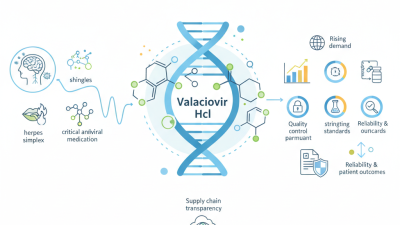
What is Valaciclovir Hcl and How Can It Benefit You?

Valaciclovir Hcl is an antiviral medication. It is primarily used to treat infections caused by certain viruses. These include herpes simplex and varicella-zoster viruses. The effectiveness of Valaciclovir Hcl makes it valuable for many. For those suffering recurrent outbreaks, it offers a way to manage their condition effectively.

This medication works by hindering the ability of the virus to multiply. Users often find that it reduces both the severity and duration of outbreaks. Additionally, it may help to prevent future occurrences. Yet, it’s important to remember that results can vary. While many experience significant benefits, others may not. A consultation with a healthcare provider is vital to determine if Valaciclovir Hcl is the right choice.

Consider the implications of using Valaciclovir Hcl. Proper use requires adherence to prescribed dosages. Skipping doses or stopping medication abruptly can lead to resistance. Many people overlook these aspects, potentially diminishing its effectiveness. Understanding how Valaciclovir Hcl works can empower patients. This knowledge fosters informed discussions with healthcare professionals.

What is Valaciclovir Hcl and How Can It Benefit You?

Understanding Valaciclovir HCl: An Overview of Its Uses and Mechanism

Valaciclovir HCl is an antiviral medication that shows significant promise in treating herpesvirus infections. It works by inhibiting viral DNA replication, which can effectively reduce the severity and duration of outbreaks. Recent studies indicate that patients experience a 50% reduction in symptomatic days when treated with Valaciclovir compared to placebo. This improvement in quality of life is crucial for individuals affected by recurrent infections.

The most common uses of Valaciclovir HCl include treatment for herpes simplex viruses, shingles, and even prevention of cytomegalovirus in certain high-risk patients. Understanding its mechanism sheds light on the drug’s effectiveness. Valaciclovir is rapidly converted to acyclovir in the body. Acyclovir then targets the viral enzyme thymidine kinase. This enzyme is essential for viral growth. The result is a more targeted approach that helps mitigate virus activity effectively.

However, like all medications, there are considerations to reflect upon. Some users report gastrointestinal discomfort or dizziness. Such side effects, while generally mild, can affect compliance. Additionally, resistance has been observed in certain cases. This highlights the importance of using Valaciclovir thoughtfully and under professional guidance. Ensuring the right dosage and monitoring for effectiveness can enhance outcomes while minimizing potential risks associated with use.
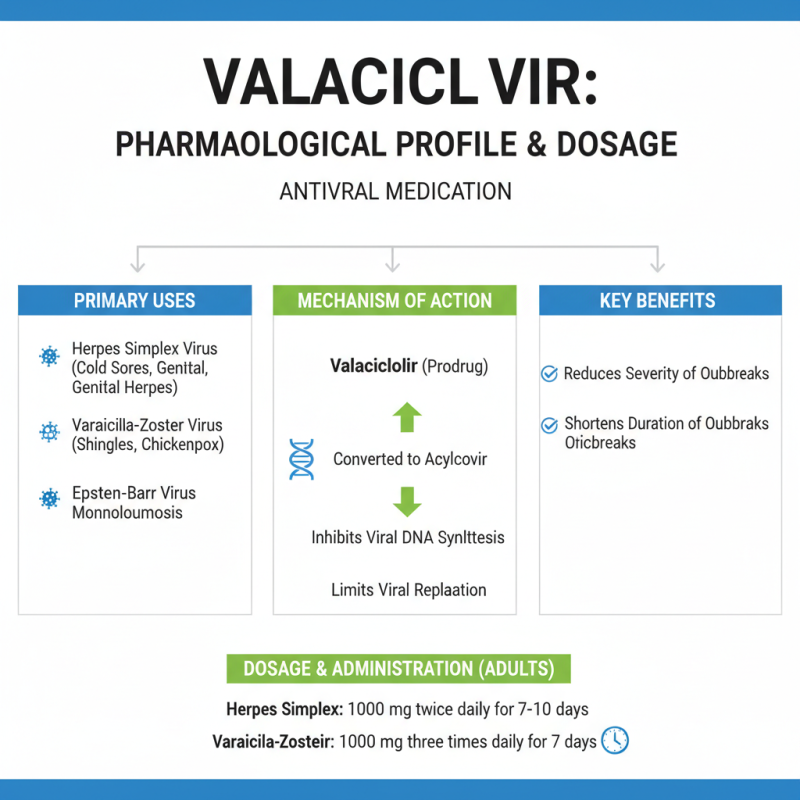

The Pharmacological Profile of Valaciclovir: Dosage and Administration

What is Valaciclovir Hcl and How Can It Benefit You?

Valaciclovir, an antiviral medication, plays a crucial role in managing viral infections. It is primarily used to treat infections caused by herpes simplex virus, varicella-zoster virus, and Epstein-Barr virus. The pharmacological profile of valaciclovir includes its mechanism of action as a prodrug converted into acyclovir, which inhibits viral DNA synthesis. This action limits viral replication, reducing the severity and duration of outbreaks.

In terms of dosage and administration, valaciclovir is usually prescribed based on the type of infection and patient factors. For herpes simplex virus, the standard dosage is 500 mg to 1,000 mg taken twice daily. Research indicates that adherence to the prescribed dosage significantly improves clinical outcomes. Moreover, renal function can impact dosage adjustments, making it essential for healthcare providers to evaluate kidney performance before prescribing. A study by the Journal of Infectious Diseases noted that incorrect dosing leads to suboptimal therapeutic responses and may contribute to resistance.

Despite its benefits, valaciclovir is not without limitations. Some patients may experience side effects, including headaches, nausea, and fatigue. These adverse reactions can affect adherence to treatment. Moreover, valaciclovir may not be suitable for everyone, particularly those with severe renal impairment. Monitoring and regular follow-ups are crucial to ensure therapeutic effectiveness and to adjust dosages as needed. Understanding these factors can enhance patient care and optimize the therapeutic benefits of valaciclovir.

Clinical Evidence Supporting Valaciclovir's Efficacy Against Herpes Viruses

Valaciclovir hydrochloride, a potent antiviral medication, has shown considerable efficacy against herpes viruses, particularly HSV-1 and HSV-2. Clinical studies confirm that it can significantly reduce outbreak duration and severity. In one trial, patients experienced fewer lesions when treated with valaciclovir compared to a placebo group. This highlights the drug's ability to manage symptoms effectively.

Many individuals report shorter recovery times after starting valaciclovir. Patients often noted that their outbreaks were less painful and resolved faster. The medication works by inhibiting viral replication. This action aids in limiting the virus's ability to spread and cause distress. However, it's crucial to assess personal health situations before starting this treatment. Some may experience side effects, such as headaches or gastrointestinal discomfort.

Despite its benefits, valaciclovir is not a cure. It does not eliminate the virus from the body. Long-term use raises questions about resistance and effectiveness. Seeking advice from a healthcare professional is essential for anyone considering this medication. Balancing the potential benefits with these concerns is necessary. Understanding individual needs and conditions can guide effective treatment choices.

Potential Side Effects and Considerations When Using Valaciclovir

Valaciclovir HCl is an antiviral medication primarily used to treat infections caused by certain types of viruses, including herpes simplex. While the benefits of this drug are clear—relieving symptoms, reducing the frequency of outbreaks, and promoting healing—many users need to consider potential side effects. Research from the American Academy of Family Physicians indicates that up to 10% of users may experience minor side effects.

Common side effects include nausea, headaches, and dizziness. Some may also face gastrointestinal issues. Although these reactions are typically mild, they can affect the quality of life. Serious side effects, though rare, can occur in certain individuals. Neurological effects, such as confusion and agitation, have been reported in susceptible populations, particularly elderly patients. It's crucial for users to discuss their medical history with healthcare professionals.

Monitoring kidney function is essential while using valaciclovir. A study published in the Journal of Antimicrobial Chemotherapy highlights that dehydration can increase the risk of kidney-related side effects. Patients with pre-existing kidney conditions should approach this medication with caution. Balancing its benefits against these considerations is important to ensure safety and efficacy.

How Valaciclovir Discoveries Shape Future Antiviral Therapies and Research

What is Valaciclovir Hcl and How Can It Benefit You?

Recent studies have shown that Valaciclovir plays a crucial role in shaping future antiviral therapies. This antiviral medication is primarily used to treat infections caused by certain types of viruses. Its mechanism involves inhibiting viral DNA replication, making it effective against conditions like herpes simplex and shingles. According to the World Health Organization, antiviral therapies have been indispensable in managing viral diseases, and findings related to Valaciclovir suggest a promising future for developing new treatments.

Current research indicates that Valaciclovir can lead to new insights in antiviral mechanisms. A 2023 report published in the Journal of Infectious Diseases emphasizes potential applications beyond its traditional use. Researchers found that combining Valaciclovir with other agents may enhance efficacy. This provides hope for improving outcomes in resistant viral infections, an increasingly pressing concern in medicine today. However, some challenges remain, including the need for comprehensive studies on drug interactions and long-term effects.

Moreover, clinical trials reveal that while Valaciclovir is largely effective, there are concerns regarding resistance. The evolving nature of viruses means continual adjustment in treatment strategy is vital. Understanding these dynamics is crucial for advancing antiviral research and ensuring that therapy remains effective in the face of emerging viral strains. Thus, Valaciclovir's discoveries will undeniably contribute to the broader field of antiviral research.