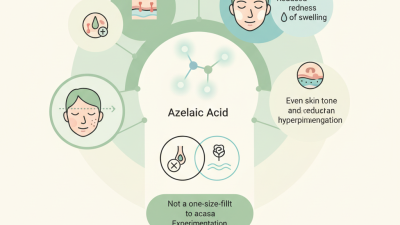
Azelaic Acid is a topical ingredient used to help manage acne and some symptoms of rosacea. It can reduce acne-related inflammation and clogged pores, while also helping calm redness and bumps for some people. Results vary. A clear routine matters more than chasing a dramatic overnight change.
Using it well starts with the product label and your skin’s tolerance. Apply a thin layer to clean, dry skin as directed, and avoid the eyes, lips, and broken skin. If you are new to it, ask a pharmacist or dermatologist whether gradual introduction is appropriate for your product and skin. A mild tingling sensation can occur, but strong burning, swelling, or worsening irritation deserves attention. Stop and seek medical advice if symptoms are severe or persistent.
Keep the rest of your routine simple. A gentle cleanser, moisturizer, and daily sunscreen can make treatment easier to tolerate, especially when redness or sensitivity is already present. Don’t add several new active ingredients at once; otherwise, it becomes hard to know what caused a reaction. That part is easy to overlook. Progress may take several weeks, and acne and rosacea can need different care. Azelaic Acid is not a guaranteed fix, nor does every formula suit every face. Taking notes about application, irritation, and changes in bumps or redness can help you and a clinician make more informed adjustments. Skin is not perfectly predictable.
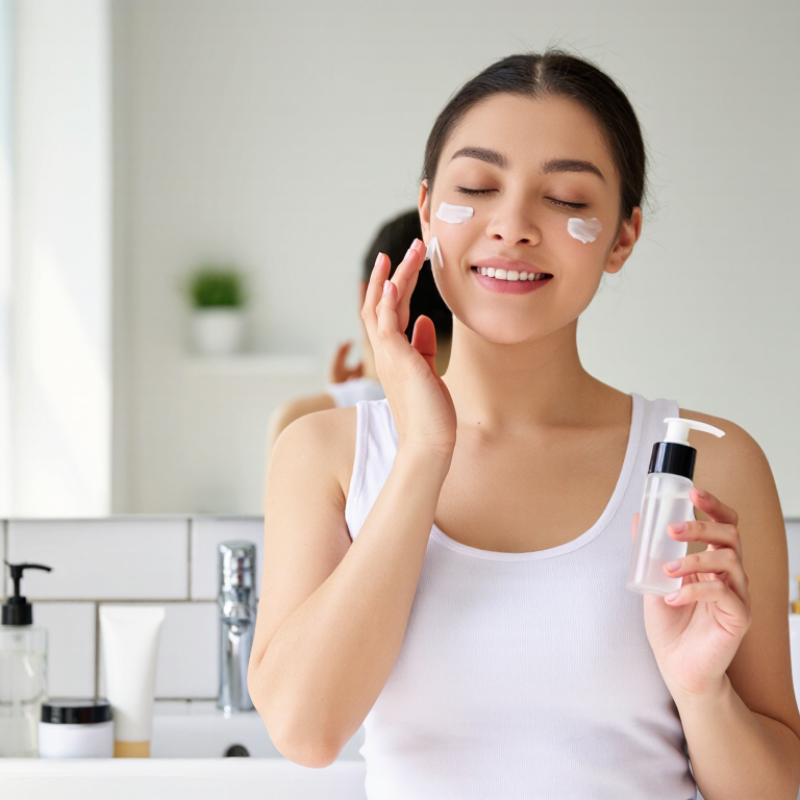
Azelaic acid can help acne by calming inflammation and limiting the buildup of dead skin cells inside pores. That may mean fewer inflamed spots and less congestion over time. It can also gradually fade post-acne dark marks, though it does not erase scars. The 2024 American Academy of Dermatology acne guideline conditionally recommends topical azelaic acid. This is useful guidance, not a guarantee for every skin type.
For papules and pustules linked to rosacea, azelaic acid can reduce inflammation and visible bumps. In two 12-week, vehicle-controlled trials reported in the U.S. Food and Drug Administration prescribing information, 15% gel reduced inflammatory lesions by 51% to 58%. Vehicle groups saw reductions of 39% to 40%. The results concern bumps, not every feature of rosacea, such as persistent flushing. That distinction matters.
Some people notice stinging, dryness, or itching, especially early on. Go slowly. Apply it as directed, and consider a small test area if your clinician agrees. The 2021 National Rosacea Society expert consensus includes topical azelaic acid among treatments for papulopustular rosacea. Still, red bumps can have other causes; guessing from a mirror is imperfect. A dermatologist can help match treatment to the condition and adjust use if irritation persists.
Azelaic acid may suit people with mild-to-moderate acne, lingering post-acne marks, or rosacea bumps. The American Academy of Dermatology’s 2024 acne guidelines conditionally recommend it as a treatment option.
For rosacea, FDA clinical-trial data for 15% topical gel showed inflammatory lesions fell by 51–58% after 12 weeks, compared with 39–40% with vehicle treatment. Results vary. These figures describe trial groups, not a guaranteed personal outcome.
A clinician can help if you are unsure whether bumps are acne or rosacea, or if symptoms affect your eyes. Seek advice for painful deep spots, scarring, worsening redness, or irritation that persists despite reducing use. A small amount may sting or feel dry at first; that does not mean you should push through severe burning. Use a gentle cleanser, avoid applying it to broken skin, and follow the product directions. If you are pregnant, breastfeeding, using other prescription treatments, or treating a child, ask a clinician or pharmacist about suitability. One detail is easy to overlook: redness can have several causes, so self-diagnosis may delay the right care.
When choosing an azelaic acid product, start with the concentration and the directions on its label. Formulas differ, and rules for nonprescription strengths vary by location. A higher number is not automatically a better fit. If your skin is easily irritated, consider a lower-strength option or ask a dermatologist which product suits your acne or rosacea.
Check the full ingredient list, not just the front label. Fragrance and other active ingredients may bother sensitive skin, though reactions differ from person to person. Creams can feel more cushioning, while gels may feel lighter; texture matters if you will use the product regularly. Less is more. Follow the product directions, and test a small area before applying it more widely. A brief sting can happen, but persistent burning, swelling, or worsening redness calls for stopping use and seeking medical advice.
Choose packaging that lets you dispense a small amount cleanly, and store it as directed. If you already use exfoliating acids, retinoids, or acne treatments, adding another active can make irritation harder to trace. Change one product at a time. It is tempting to expect a quick result, but improvement may take several weeks, and skin does not always follow a neat timeline. For eye-area symptoms, severe irritation, or uncertainty about a diagnosis, consult a qualified healthcare professional.
Azelaic acid products commonly include 10% nonprescription formulations and prescription strengths of 15% or 20%. A 15% gel or foam is commonly used for rosacea, while 20% cream is commonly used for acne. Product availability and approved uses vary by location; concentration alone does not predict which product is right for you. Ask a healthcare professional for advice, especially if you have sensitive skin.
How to Use Azelaic Acid for Acne and Rosacea?
How to Apply Azelaic Acid Step by Step
Start with clean, fully dry skin. Apply a thin layer to acne-prone or rosacea-affected areas, not just individual spots. Use the strength and schedule on your product label or clinician’s instructions; prescription formulations may differ. Keep it away from eyes, lips, and broken skin. Wash your hands afterward. The American Academy of Dermatology’s 2024 acne guideline conditionally recommends topical azelaic acid, while rosacea guidance from the National Rosacea Society includes it as a topical treatment option. These recommendations support its use, but do not guarantee the same results for everyone.
Begin cautiously if your skin is sensitive. Try a small area, then use it every other day if your clinician or label allows. If comfortable, follow the instructed schedule. Apply moisturizer after the treatment dries, and use broad-spectrum sunscreen in the morning. Mild tingling can happen; persistent burning, swelling, or a rash means stop and seek medical advice. More product is not better. Honestly, irritation can make a careful routine harder to maintain.
Tips: Keep the tube beside your moisturizer as a reminder. Avoid starting several exfoliating products at once; otherwise, it can be difficult to identify what caused irritation. Take a clear photo in the same light each week. Changes may be gradual, and a few weeks can feel inconclusive. Discuss persistent acne or rosacea with a qualified healthcare professional.
| Step | What to Do | Acne Guidance | Rosacea Guidance |
|---|---|---|---|
| 1 | Choose a product and follow its label or your clinician’s instructions. Formulations and strengths vary; prescription products commonly include 15% or 20% azelaic acid, while some nonprescription products have lower concentrations. | Azelaic acid may help with acne-related clogged pores and inflammation. Use a formulation intended for facial skin. | Azelaic acid is used for inflammatory rosacea bumps and redness. A clinician can help confirm the diagnosis and select an appropriate formulation. |
| 2 | Wash gently with a mild cleanser, rinse, and pat the skin dry. Avoid scrubbing or applying the product to broken or significantly irritated skin. | A gentle routine can reduce irritation, especially if you also use other acne treatments. | Use lukewarm water and a fragrance-free, gentle cleanser if your skin is easily flushed or sensitive. |
| 3 | Apply a thin, even layer to the affected area using clean fingertips. Use the amount and application area stated on the product label or prescribed by your clinician. | Apply to the acne-prone area as directed, rather than only placing a thick dab on individual spots. | Apply to the rosacea-affected area as directed. Keep it away from the eyes, lips, and inside the nose or mouth. |
| 4 | Let the product dry, then apply a bland, non-comedogenic moisturizer if needed. Wash your hands after application. | A moisturizer may help support the skin barrier without adding unnecessary irritation. | A simple moisturizer can help reduce dryness and discomfort in sensitive skin. |
| 5 | Use it at the frequency stated on the label or prescribed. If your clinician or product instructions allow, sensitive skin may need a gradual start; ask before changing the recommended schedule. | Do not increase use to speed results. Acne improvement usually takes consistent use over time. | Because rosacea-prone skin can be reactive, avoid increasing frequency without guidance if burning or persistent irritation develops. |
| 6 | In the morning, finish with broad-spectrum sunscreen rated SPF 30 or higher. Reapply according to the sunscreen directions, especially outdoors. | Sunscreen helps protect skin and reduce the appearance of lingering post-acne discoloration. | Sun exposure can trigger rosacea symptoms for some people; sun protection is an important part of daily care. |
| 7 | Monitor your skin. Mild temporary tingling, dryness, or stinging can occur. Stop using the product and seek medical advice for severe or persistent irritation, swelling, or a rash. | If you use other potentially irritating acne ingredients, introduce them cautiously and ask a clinician or pharmacist about combining treatments. | Persistent worsening, eye symptoms, or uncertainty about the cause of redness warrants medical assessment. |
Azelaic acid may cause dryness, mild redness, itching, or a tingling sensation, especially when you begin using it. Mild irritation can settle as your skin adjusts. Stinging can happen. Persistent burning, swelling, or worsening redness is different; don’t assume you need to push through it. Apply the amount and frequency stated on the product label or recommended by your clinician. Keep it away from your eyes, lips, and broken skin, and wash your hands after applying. A small test area may help you notice irritation before applying it more widely.
If your skin becomes uncomfortable, pause use and ask a pharmacist or clinician how to proceed. Once irritation has settled, they may suggest using it less often or adding a plain moisturizer; don’t restart while your skin is still inflamed. Avoid adding several new acne or rosacea products at once, since it becomes hard to identify the trigger. Seek urgent care for facial swelling, hives, or trouble breathing. Get medical advice if irritation persists or your symptoms worsen. Even a careful routine can misfire; note when you apply the product and how your skin responds, then share those details with your care provider. Follow their advice if you are pregnant, breastfeeding, or using prescription skin treatments.
0086-15628869272