What is Azelaic Acid and How Does It Benefit Your Skin?
Azelaic Acid is a powerful ingredient gaining attention in the skincare world. Known for its versatility, it helps with various skin concerns. From acne to rosacea, Azelaic Acid offers a solution for many.
This naturally occurring acid helps to reduce inflammation. It also brightens the skin and fades hyperpigmentation. Many users have reported visible improvements in their skin texture and tone. However, results can vary, and some may experience irritation.
Understanding Azelaic Acid's benefits is essential for informed skincare choices. It promotes a clearer complexion, but it’s important to proceed with caution. Always patch-test and consult a dermatologist. Skin can react differently, and what works for one may not work for another. Adjusting to this ingredient may take time and patience. Finding the right products and regimen is crucial in achieving desired results.
What is Azelaic Acid and Its Chemical Composition?
Azelaic acid is a dicarboxylic acid found in grains like barley and wheat. Its chemical structure features two carboxylic acid groups. This unique composition enables it to engage in multiple skin benefits. Azelaic acid is known for its antibacterial properties, making it effective against acne-causing bacteria. It also helps to reduce inflammation, which can be a key factor in skin irritation.
The compound works by inhibiting the synthesis of keratin, reducing the formation of comedones, which are a common cause of acne. Moreover, its ability to lighten skin pigmentation stems from its inhibition of tyrosinase, an enzyme involved in melanin production. Users may notice a gradual improvement in their skin tone with consistent application.
Despite its benefits, some individuals may experience sensitivity. It's essential to test it on a small area first. Azelaic acid may not be suitable for everyone. Consulting a dermatologist can help determine if it fits your skin needs. Balancing its use with other treatments is vital for achieving the best results.
The Role of Azelaic Acid in Treating Acne: Studies and Findings
Azelaic acid has gained attention for its effectiveness in treating acne. Research shows that this ingredient works by targeting multiple aspects of acne development. It reduces inflammation, kills acne-causing bacteria, and helps to normalize skin cell turnover. Many users have reported improvements in their skin texture and reduced breakouts.
In clinical studies, azelaic acid demonstrated significant benefits for individuals with mild to moderate acne. Participants experienced fewer whiteheads and blackheads after consistent use. However, results can vary. Some found initial irritation or dryness. This highlights the importance of patch testing and gradual introduction into a skincare routine.
Azelaic acid also shows promise in improving post-acne marks. Its ability to lower hyperpigmentation is well-documented. Users often note a reduction in dark spots over time. However, it’s essential to approach treatment with realistic expectations. Patience and consistency are key to seeing desirable outcomes. An individualized approach will always yield the best results.
Benefits of Azelaic Acid for Rosacea: Mechanisms and Evidence
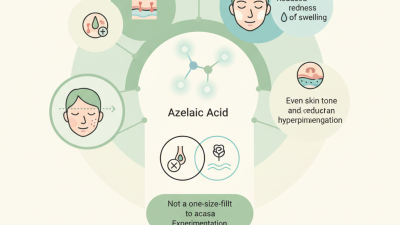
Azelaic acid is a powerful ingredient known to help manage rosacea. It has both anti-inflammatory and anti-bacterial properties. This makes it effective for reducing redness and swelling. Many people with rosacea struggle with persistent skin irritation. Azelaic acid can provide relief by targeting the underlying skin conditions associated with rosacea.
Studies suggest that azelaic acid can inhibit the growth of acne-causing bacteria. It also helps to reduce the appearance of skin lesions linked to rosacea. Its effects can result in smoother, clearer skin over time. However, results can vary based on individual skin types. Some may experience mild irritation or redness initially. It's important to monitor your skin's reaction and adjust usage accordingly.
In addition to treating rosacea, azelaic acid can also promote even skin tone. It inhibits melanin production, which can help reduce hyperpigmentation. This means it may help with the red and brown marks left after rosacea flare-ups. For those seeking a gentler alternative to other treatments, azelaic acid may be a suitable option. Always consult a dermatologist before adding new products to your routine, especially if you have sensitive skin.
Azelaic Acid's Efficacy in Hyperpigmentation: Clinical Insights
Azelaic acid is known for its powerful effects on hyperpigmentation. Clinical studies highlight its ability to inhibit melanin production. This means it can help lighten dark spots and even skin tone effectively. Many individuals struggling with post-inflammatory hyperpigmentation or melasma turn to azelaic acid. It addresses uneven skin pigmentation through its unique mechanisms.
Patients often report visible improvements within weeks of use. Increased cell turnover leads to brighter skin. However, results may vary. Some may not see significant changes until months later. It's essential to manage expectations. Most dermatologists recommend using azelaic acid regularly for sustained results.
While azelaic acid is generally gentle, some may experience irritation. This is a common concern among users. It’s crucial to perform a patch test before full application. Consultation with a skincare professional can provide personalized guidance. Adjusting usage based on skin sensitivity can lead to better results. With consistency and care, azelaic acid can be a valuable tool in the fight against hyperpigmentation.
Safety Profile and Side Effects of Azelaic Acid in Skincare Products
Azelaic acid has gained popularity in skincare for its multiple benefits. It is known for its anti-inflammatory and antibacterial properties. Many people incorporate it into their routines for acne treatment and to improve skin texture. However, understanding its safety profile is crucial.
While azelaic acid is generally safe for most skin types, some individuals may experience side effects. Redness and irritation can occur, especially for those with sensitive skin. It’s essential to start with a lower concentration and monitor your skin's reaction. Patch testing can help gauge how your skin might respond.
Long-term use is often well-tolerated. Yet, some users report dryness and peeling. It’s important to hydrate your skin adequately when using this ingredient. Consulting a dermatologist can provide personalized advice and help avoid potential issues, ensuring you benefit from azelaic acid without unwanted side effects.
What is Azelaic Acid and How Does It Benefit Your Skin?
| Aspect |
Details |
| Definition |
Azelaic acid is a dicarboxylic acid derived from grains such as wheat, rye, and barley. |
| Skin Benefits |
Helps treat acne, rosacea, and hyperpigmentation; promotes cell turnover; reduces inflammation. |
| Mechanism of Action |
Inhibits the growth of skin bacteria, reduces clogged pores, and slows down melanin production. |
| Safety Profile |
Generally considered safe for all skin types; non-toxic and non-irritating in low concentrations. |
| Possible Side Effects |
Mild irritation, itching, and dryness; generally transient and may resolve with continued use. |
| Usage Recommendations |
Use once or twice daily; apply to clean, dry skin; sunscreen recommended during use. |