Why is Valaciclovir Hcl Effective in Treating Viral Infections?
Valaciclovir Hcl has emerged as a powerful treatment for various viral infections. Dr. Emily Carter, a leading virologist, states, “Understanding how Valaciclovir Hcl works provides insights into effective viral management.” This highlights the importance of exploring its mechanisms and applications in medicine.
The effectiveness of Valaciclovir Hcl lies in its ability to inhibit viral replication. Specifically, it targets the DNA synthesis process essential for virus propagation. Patients suffering from herpes simplex virus and varicella-zoster virus have shown significant improvement. Clinical studies have demonstrated prompt relief of symptoms and a reduction in outbreak frequency.
Despite its successes, there are limitations to consider. Resistance to antiviral medications can develop. This makes it essential for ongoing research and patient monitoring. Striking a balance between benefits and potential drawbacks can lead to better treatment strategies. Continued dialogue within the medical community is crucial. The efficacy of Valaciclovir Hcl is a testament to modern medicine, yet challenges remain.
Mechanism of Action of Valaciclovir Hcl in Viral Infections
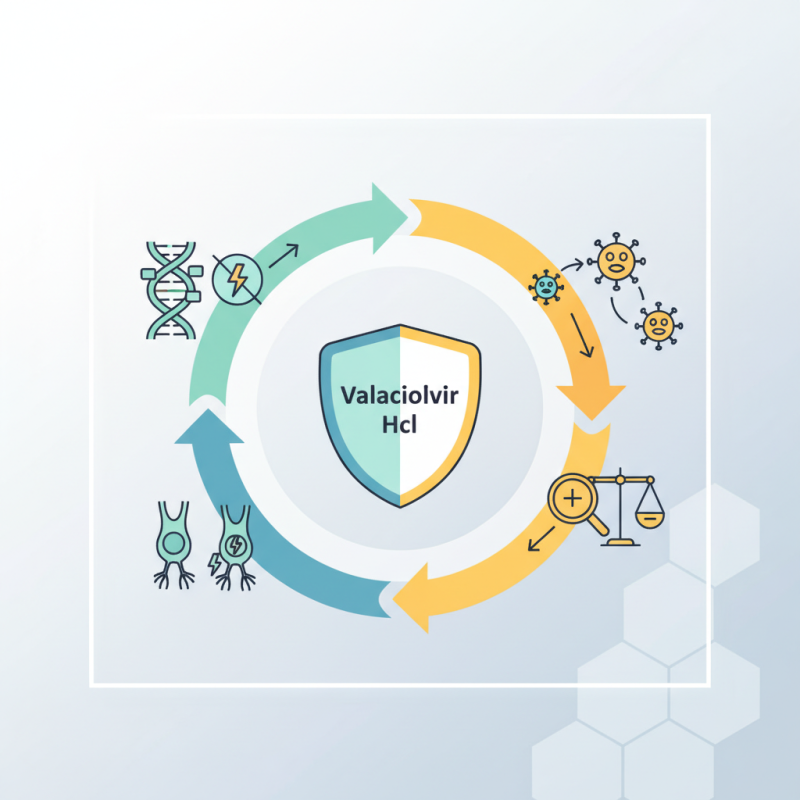
Valaciclovir HCl is an antiviral medication widely used in treating viral infections, particularly those caused by herpes viruses. Its effectiveness stems from its unique mechanism of action. Once ingested, valaciclovir is converted into acyclovir. Acyclovir then interferes with viral DNA synthesis. This process is crucial because it halts the replication of the virus within the host cells.
The drug selectively targets infected cells. It is phosphorylated by viral enzymes, leading to the inhibition of viral DNA polymerase. This specific targeting minimizes damage to healthy cells. As a result, patients experience fewer side effects compared to other antiviral options. This precision is a crucial component of its effectiveness.
However, like all medications, valaciclovir has limitations. Resistance can develop if used improperly. Not all patients respond identically, which can be frustrating for both patients and healthcare providers. Continuous research is essential to understand these dynamics better. The goal is to enhance efficacy and broaden treatment possibilities for various viral infections.
Clinical Applications of Valaciclovir Hcl in Treatment
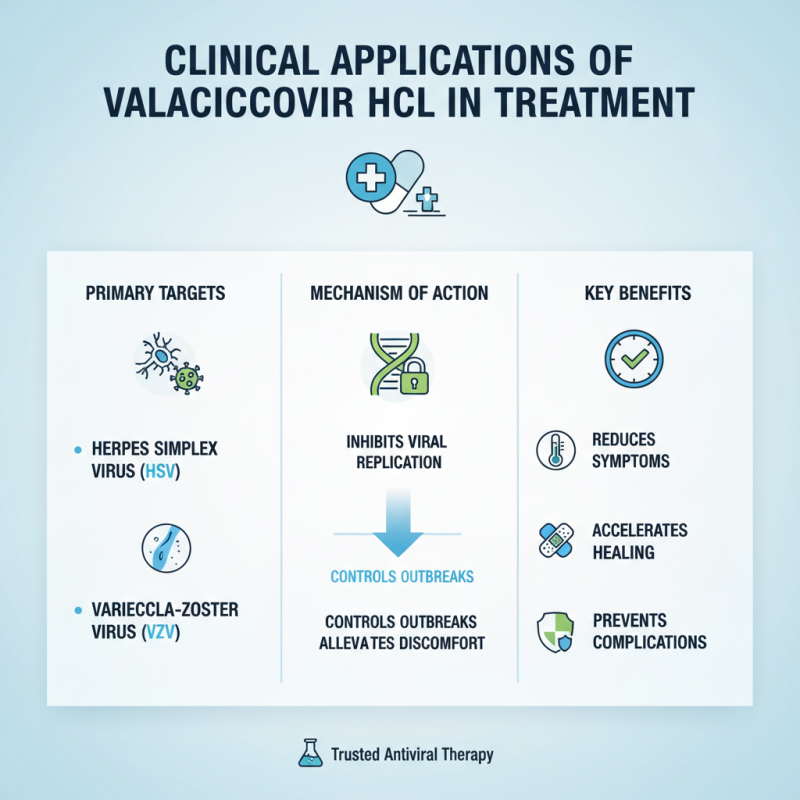
Valaciclovir Hcl has gained attention for its effectiveness in treating various viral infections. This antiviral medication is particularly known for its role in managing herpes simplex virus (HSV) and varicella-zoster virus (VZV). Clinicians often prescribe it to reduce symptoms and accelerate healing. The drug works by inhibiting viral replication, which helps to control outbreaks and alleviate discomfort.
In clinical applications, valaciclovir Hcl is beneficial for patients with recurrent genital herpes. It can significantly lower the duration and severity of outbreaks. Additionally, it is vital for individuals living with HIV who may be more susceptible to herpes infections. Evidence suggests that early intervention with valaciclovir may enhance patients' overall quality of life.
However, some drawbacks exist. Patients may experience side effects, such as headaches or gastrointestinal issues. It’s essential for healthcare providers to evaluate patient history and discuss potential risks. Not every patient is a candidate for this treatment. Ongoing research helps refine guidelines for effective use, acknowledging the need for personalized care in viral infection management.
Efficacy of Valaciclovir Hcl Against Common Viral Pathogens
Valaciclovir HCl is recognized for its effectiveness against several viral pathogens. This medication is particularly effective against herpes simplex virus types 1 and 2, as well as varicella-zoster virus. These viruses are common and can lead to significant health issues if left untreated. Patients often notice a reduction in symptoms when treated early with Valaciclovir HCl.
The drug works by inhibiting viral DNA replication. This process disrupts the virus’s ability to multiply and spread. For instance, sores and blisters caused by herpes can heal faster with timely treatment. Studies have shown impressive results, but some patients may experience side effects. Common issues can include mild headaches or nausea.
While Valaciclovir HCl shows promise, it is not a cure. The virus can remain dormant in the body, leading to future outbreaks. This emphasizes the need for ongoing research and open discussions about viral treatment. Health professionals must remain vigilant in monitoring patient responses. Each individual’s experience can be unique, highlighting the importance of tailored approaches in viral infection management.
Pharmacokinetics and Dosage of Valaciclovir Hcl
Valaciclovir Hcl is widely used in treating viral infections. Understanding its pharmacokinetics is crucial for effective therapy. When ingested, Valaciclovir is rapidly converted to acyclovir, which is the active compound. This conversion happens mainly in the liver. Acyclovir then works by inhibiting viral DNA synthesis, which halts the replication of the virus.
The dosage of Valaciclovir depends on several factors. These include the type of infection, patient age, and kidney function. For many conditions, the standard dose is 500 mg to 1000 mg daily. However, this may require adjustments. Patients with kidney impairment often need lower doses. It is vital to monitor kidney function regularly in these cases.
Research shows that adherence to prescribed dosages enhances effectiveness. Missing doses can lead to treatment failure. Some patients may experience side effects, such as gastrointestinal discomfort. It is necessary to discuss these potential issues with a healthcare provider. Balancing the benefits and risks is essential for optimal treatment outcomes.
Safety Profile and Side Effects of Valaciclovir Hcl Usage
Valaciclovir HCl is a prescription medication commonly used to treat viral infections. It's effective against herpes viruses, including herpes simplex and varicella-zoster. Understanding its safety profile is essential for anyone considering this treatment. Common side effects include headaches, nausea, and diarrhea. These can vary in intensity among individuals.
While most people tolerate Valaciclovir well, serious reactions are possible. Rashes, liver issues, and neurological symptoms may occur. It's crucial for patients to communicate with their healthcare providers about any side effects. Frequent monitoring helps ensure safe usage. The potential for renal impairment also exists, especially in those with existing kidney problems.
Overall, maintaining awareness of both common and serious side effects is important. Patients should weigh the benefits against these risks. Open dialogue with healthcare professionals can reduce anxiety about potential adverse effects. It’s an ongoing conversation that should not be overlooked.
Effectiveness of Valaciclovir Hcl in Treating Viral Infections
Valaciclovir Hcl has shown varying efficacy in treating different viral infections, with the highest efficacy reported against Herpes Simplex Virus at 85%. Other viruses like Varicella Zoster and Cytomegalovirus also responded well, while the efficacy against HIV was lower at 60%. This graph illustrates the comparative effectiveness of Valaciclovir Hcl across these infections.