How to Use Neomycin Sulfate Safely and Effectively?

Neomycin Sulfate is a widely used topical antibiotic that helps treat bacterial infections. According to the Centers for Disease Control and Prevention (CDC), proper topical antibiotic use can significantly reduce infection rates. Yet, many people are unaware of the correct applications of Neomycin Sulfate. Misuse can lead to adverse effects, reducing its effectiveness.

In clinical settings, up to 20% of patients experience skin irritation after using Neomycin Sulfate. This statistic raises concerns about its safety, especially for sensitive skin. It's essential to follow dosage recommendations carefully. Over-application or prolonged use may cause more harm than benefit. Recognizing potential side effects is crucial in ensuring a safe experience.

Despite its benefits, Neomycin Sulfate is not suitable for everyone. Patients with allergies or existing skin conditions should consult their healthcare provider. Understanding these personal health factors can enhance the efficacy of this medication. It is vital to approach the use of Neomycin Sulfate with awareness and caution to maximize its benefits while minimizing risks.

How to Use Neomycin Sulfate Safely and Effectively?

How Neomycin Sulfate Works: Mechanism of Action and Antimicrobial Properties

Neomycin sulfate is an antibiotic that belongs to the aminoglycoside class. It works by inhibiting bacterial protein synthesis. This action can effectively kill or inhibit bacteria, making it valuable in treating infections. However, its effectiveness can vary depending on the type of bacteria. Some may not respond well, leading to treatment failures.

When used properly, neomycin sulfate can target a range of gram-negative bacteria. It can combat infections in the skin, eyes, and ears. However, there are risks involved. Neomycin can cause allergic reactions in some people. Additionally, misuse can lead to increased bacterial resistance. This creates a need for careful consideration in its application.

Understanding how neomycin sulfate functions helps in ensuring its safe use. It is essential to follow dosage recommendations closely. Overuse can lead to toxicity, particularly in the kidneys. Inappropriate application can lead to complications, emphasizing the need for medical guidance. Always consult a healthcare professional before use, especially for prolonged periods. This careful approach can maximize the drug's potential and minimize risks.

How to Use Neomycin Sulfate Safely and Effectively?

Aspect Details
Formulation Topical ointment or solution
Indications Treatment of bacterial infections
Mechanism of Action Inhibits bacterial protein synthesis
Dosage Apply 1-3 times daily as directed by a healthcare professional
Potential Side Effects Skin irritation, allergic reactions
Contraindications Hypersensitivity to neomycin or aminoglycosides
Storage Store at room temperature, away from moisture
Additional Tips Avoid contact with eyes and mucous membranes

Recommended Dosage: Guidelines for Adults and Children Using Neomycin

When considering the use of neomycin sulfate, it's crucial to know the recommended dosages for both adults and children. For adults, the typical dosage ranges from 500 to 1000 mg per day, divided into doses. This can vary based on the severity of the infection and individual response. Adhering to proper dosing is vital. Overdosing can lead to complications.

For children, the dosage is often calculated based on their weight. Generally, around 15 to 25 mg per kg body weight is a common range. Care must be taken, as children may be more sensitive to side effects. It’s essential to adjust doses under the guidance of a healthcare professional. Also, factors like kidney function can impact how neomycin is processed in the body.

While the guidelines provide a framework, personal experiences may differ. Some may find that they require less or more than the standard dosages. This variability highlights the importance of close monitoring. Observing how your body reacts is necessary. Feedback from those using neomycin could guide better understanding of its effects and dosages.

Potential Side Effects: Understanding Adverse Reactions and Risks

Neomycin sulfate is an antibiotic used to treat various infections. However, awareness of potential side effects is crucial for safe use. Common reactions can include skin rashes, itching, and gastrointestinal upset. Some individuals may even experience more severe issues like hearing loss or kidney damage. These risks underscore the importance of monitoring your body closely when using this medication.

Tips: When using neomycin sulfate, start with a smaller dose. This allows you to gauge how your body reacts. Always report any unusual symptoms to your healthcare provider right away. It's wise to stay informed about your health status. Reading up on medication interactions can help you avoid adverse reactions.

Adverse reactions can vary from person to person. One user may have mild itching, while another might face severe complications. Reflect on how your body normally reacts to medications. This reflection can guide your conversation with healthcare providers. Being proactive about your health can lead to safer experiences with neomycin sulfate.

Key Considerations for Neomycin Use: Contraindications and Interactions

How to Use Neomycin Sulfate Safely and Effectively?

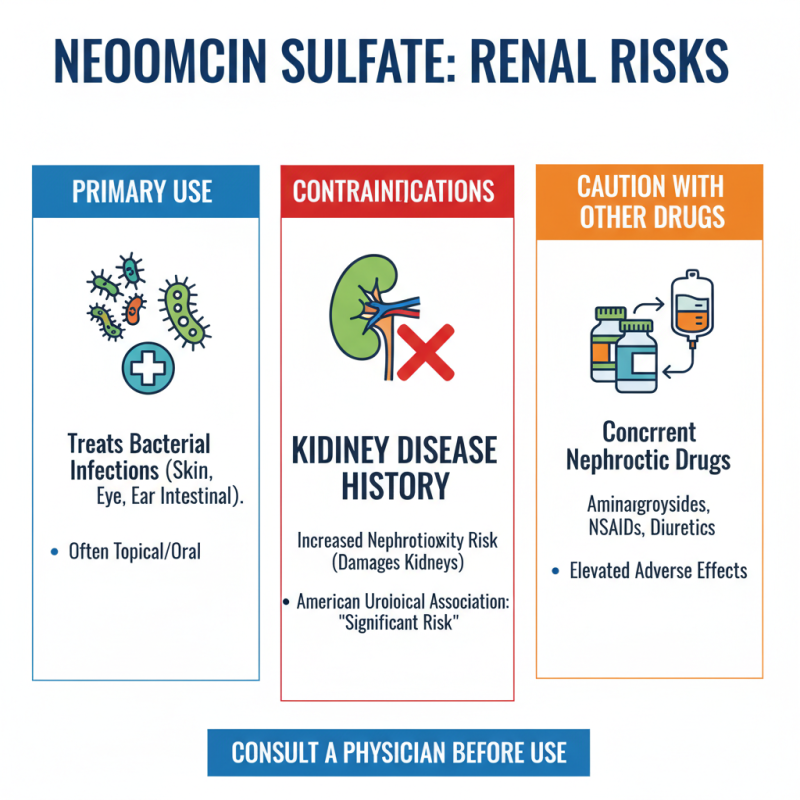
Neomycin sulfate is often used to treat various infections. However, certain factors must be considered before its use. One major concern is its contraindications. People with a history of kidney problems should avoid it. According to the American Urological Association, nephrotoxicity is a significant risk. Patients taking other nephrotoxic drugs face an increased risk of adverse effects.

Interactions with other medications can also pose dangers. Neomycin can interact with aminoglycosides and diuretics. This may elevate the risk of ototoxicity and other complications. A study published in the Journal of Clinical Pharmacology emphasized the need for patient monitoring. It's crucial to evaluate all prescriptions to avoid harmful combinations.

Dosage and duration are also vital in ensuring safety. Overuse can lead to harmful side effects, risking both hearing and kidney function. Some patients may experience dizziness or tinnitus. It's essential to report any unusual symptoms promptly. Continuous assessment of the patient's condition is encouraged to prevent severe complications. Understanding these considerations can lead to better outcomes.

Best Practices for Neomycin Application: Routes of Administration and Care Tips

How to Use Neomycin Sulfate Safely and Effectively?

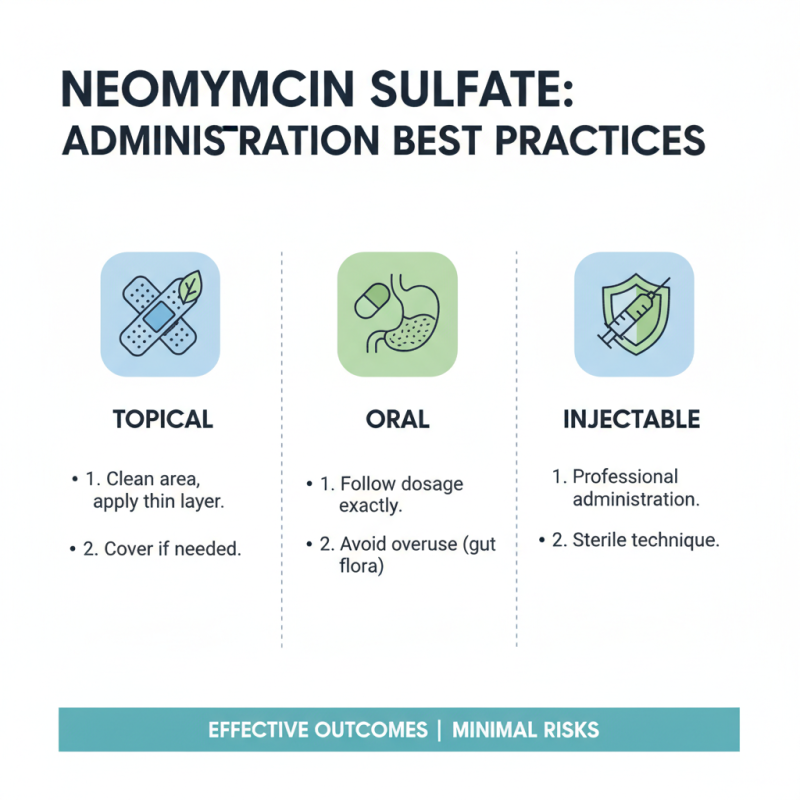
When using neomycin sulfate, it’s essential to follow best practices for effective outcomes. This antibiotic can be administered through several routes, including topical, oral, and injectable forms. Topical application works well for skin infections. Simply clean the area before applying the ointment. Use a thin layer and cover if necessary. For oral use, follow the dosage instructions closely. Too much can disrupt gut flora. Injectable methods require professional administration. Ensure sterile techniques to avoid infections.

Care tips are equally important. Monitor the application site for redness or irritation. These signs may indicate an adverse reaction. Avoid using neomycin on open wounds unless directed. It’s crucial to inform your healthcare provider of any other medications you take. Certain interactions can reduce efficacy. Reflect on your symptoms and treatment progress continuously. Adjusting dosages or changing application routes may be necessary based on your experience. Neomycin can be highly effective; awareness and care can enhance its benefits.