How to Use Ferulic Acid for Skin Care Benefits?
Ferulic Acid is gaining popularity in the skincare industry. This powerful antioxidant offers numerous skin benefits. From reducing signs of aging to enhancing skin texture, its uses are diverse and impactful. Many have incorporated Ferulic Acid into their routines with promising results.
Using Ferulic Acid may seem straightforward, but getting the most out of it requires knowledge. It often pairs well with Vitamin C and E. Together, they form a protective shield against environmental damage. However, not all skin types react positively to it. Some might experience irritation or breakouts. It’s essential to patch-test first to ensure compatibility.
Exploring Ferulic Acid can lead to significant improvements in the skin. Users should remain patient, as results may take time. Regular use is key, but individuality matters. Understanding your skin's needs is crucial in utilizing this potent ingredient effectively. Embrace the journey of discovering how Ferulic Acid can transform your skincare routine.

Understanding Ferulic Acid: Origins and Properties
Ferulic acid is a powerful antioxidant found in plant cell walls. Its origins trace back to various grains, such as rice and wheat, as well as in fruits like apples and oranges. Scientifically, it protects cells from oxidative stress and free radicals. According to a report by the Journal of Cosmetic Dermatology, ferulic acid has shown a 25% increase in skin elasticity when applied regularly.
In skin care products, ferulic acid works synergistically with vitamins C and E. This combination amplifies their effects, providing enhanced sun protection. Studies reveal that ferulic acid can neutralize harmful UV rays. However, some formulations may not achieve optimal stability. User experiences often vary, and this inconsistency can lead to mixed results.
While ferulic acid offers notable benefits, it may not suit everyone's skin type. Reactions can range from mild irritation to significant sensitivity. Patch testing is advisable before regular use. Striking a balance between potential benefits and limitations is crucial. Each skin journey is unique, and understanding our individual needs can lead to more effective results.
Benefits of Ferulic Acid in Skin Care Products
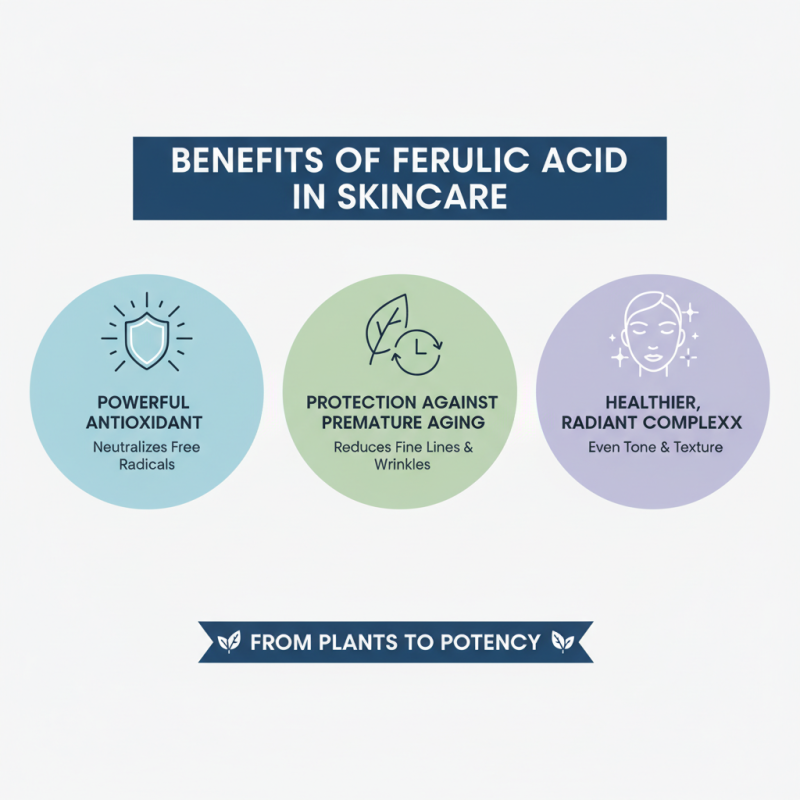
Ferulic acid is a powerful antioxidant found in various plants. It offers multiple benefits for skincare. This compound helps protect the skin from free radicals. These unstable molecules can cause premature aging. By neutralizing them, ferulic acid promotes a healthier complexion.
Incorporating ferulic acid into your skincare routine may enhance the effects of other antioxidants. It works well with vitamin C and E. Together, they provide stronger protection against environmental damage. Users often notice improved skin tone and texture after consistent use. However, results can vary. Some people may experience sensitivity.
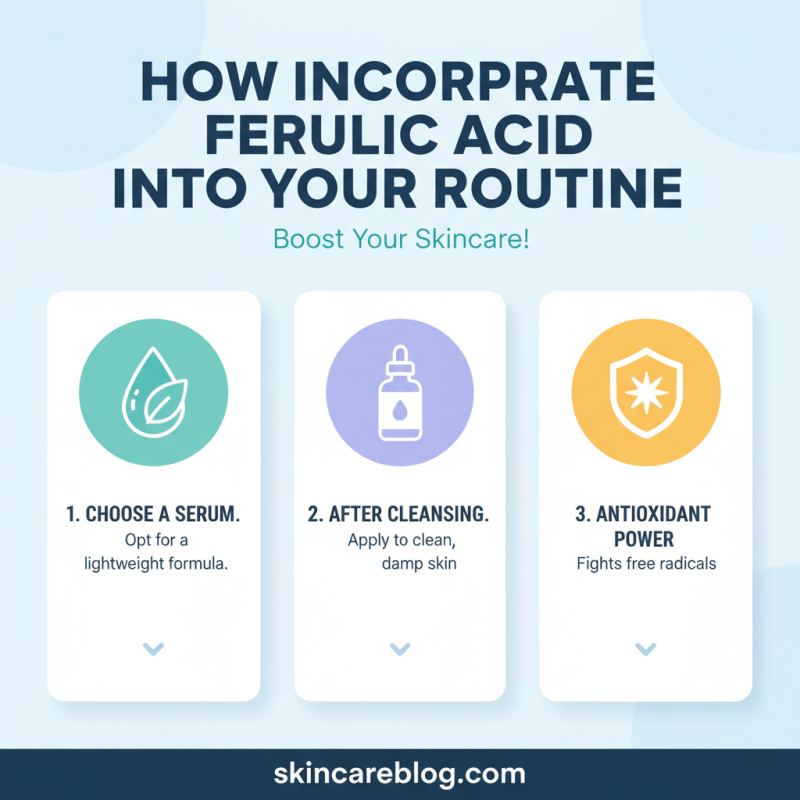
Using ferulic acid requires caution. Start with lower concentrations to test your skin's reaction. Apply it in the evening to avoid sun sensitivity. Over time, you may see brightening effects and reduced fine lines. Yet, it’s essential to listen to your skin. If irritation occurs, reevaluate your routine. Understanding how your skin interacts with ferulic acid can lead to better results.
Potential Side Effects and Precautions for Usage
Ferulic acid is a popular ingredient in skin care for its antioxidant properties. However, some individuals may experience side effects. It’s crucial to consider how your skin reacts to it. Sensitivity varies among people. Reports suggest up to 30% of users may experience irritation, especially when combined with other active ingredients.
Redness and stinging can occur after application. Users should start with a patch test, applying a small amount to an inconspicuous area. This helps gauge potential reactions. If no irritation arises in 24 to 48 hours, gradual introduction to your routine is advisable. However, a cautious approach is necessary.
Some skin types may react poorly to high concentrations of ferulic acid. This poses a risk for those with sensitive skin. Industry findings indicate that mild to moderate reactions are relatively common. Thus, awareness of symptoms is vital. Always listen to your skin. If discomfort persists, discontinuing use is wise. Self-awareness in skin care practices leads to better outcomes.
Choosing the Right Ferulic Acid Formulations for Your Skin Type
Choosing the right ferulic acid formulation is crucial for effective skin care. Ferulic acid is known for its antioxidant properties. It helps to neutralize free radicals and protect the skin from environmental damage. According to a 2023 study, formulations combining ferulic acid with vitamins C and E can enhance stability and effectiveness. This combination can increase skin brightness and reduce signs of aging.
Different skin types have unique needs. For oily skin, lightweight gels or serums containing ferulic acid can be beneficial. They absorb quickly without clogging pores. Those with dry skin may prefer richer creams that offer additional hydration. Often, these formulations also contain moisturizing agents. A survey found that 68% of users reported improvement in skin texture after consistent use.
While ferulic acid is generally well-tolerated, some may experience irritation. Patch testing is advisable for sensitive skin. It's important to select a formulation tailored to individual skin concerns. Not all products deliver the promised results. Users should carefully examine ingredient labels and consider personal skin conditions before making a choice.
Ferulic Acid Benefits for Different Skin Types
This chart illustrates the effectiveness of ferulic acid for various skin types based on a benefit score from 1 to 10. The ratings indicate how well different skin types may respond to ferulic acid treatment, with combination skin showing the highest benefit score.