Top Uses of Ethyl Oleate for Global Buyers in 2026
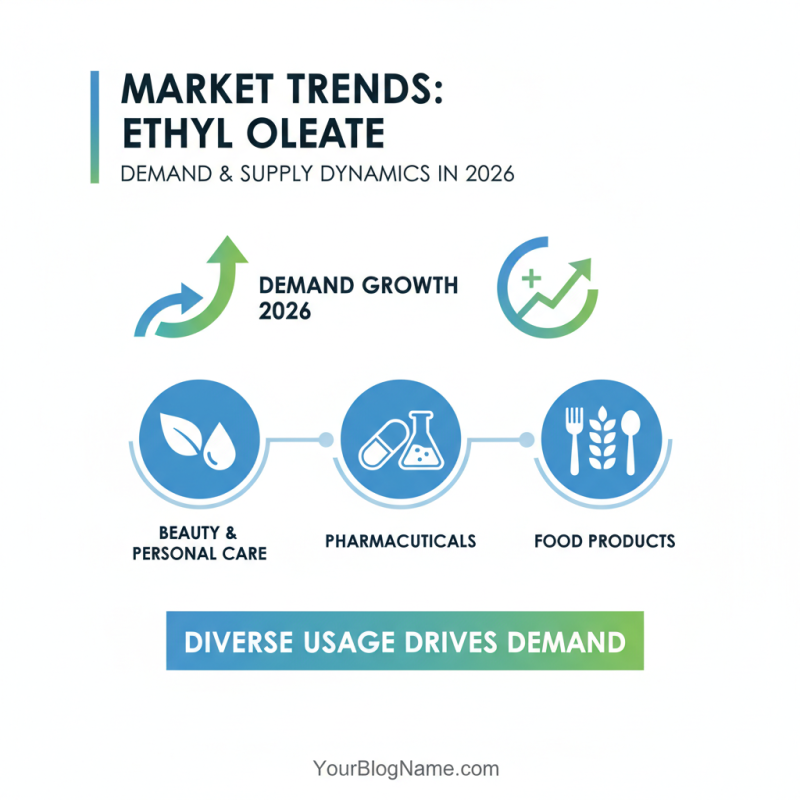
In 2026, the demand for Ethyl Oleate is projected to surge across various industries. This compound, widely recognized for its emulsifying properties, plays a crucial role in sectors like cosmetics, pharmaceuticals, and food production. According to recent market research, the global Ethyl Oleate market is expected to expand significantly, with a compound annual growth rate (CAGR) of approximately 6% from 2021 to 2026. Such growth highlights its importance in formulations aimed at improved product stability and performance.
Ethyl Oleate serves as a skin-conditioning agent in personal care products. Its versatility allows it to act as a solvent in pharmaceutical applications, enhancing drug delivery systems. However, despite its benefits, some challenges remain. Production processes can vary in quality, leading to inconsistencies. Buyers must carefully evaluate suppliers to ensure reliability and regulatory compliance. This issue calls for a more refined approach to sourcing.
In conclusion, understanding the top uses of Ethyl Oleate is vital for global buyers. Awareness of industry trends and emerging technologies can provide valuable insights. As the market evolves, these learners must remain vigilant and adaptive to maximize their investment and ensure product efficacy.

Key Properties of Ethyl Oleate: Understanding Its Chemical Composition
Ethyl oleate is an ester formed from ethanol and oleic acid. This compound possesses unique characteristics that make it valuable in various applications. It is colorless and has a slightly fatty odor, often used in formulations requiring a non-greasy feel. Its low viscosity contributes to its effectiveness as a solvent in different industries.
One notable property of ethyl oleate is its emulsifying capability. It can stabilize mixtures of oil and water, which is crucial in cosmetic formulations. Many consumers appreciate products that feel smooth on the skin. However, inconsistent formulations can occur if the extraction and processing are not controlled properly. This highlights the importance of sourcing high-quality raw materials.
The compound is also biodegradable, appealing to environmentally conscious sectors. Ethyl oleate breaks down without leaving harmful residues. Yet, variability in environmental conditions can affect its effectiveness. Buyers should consider these factors when assessing its suitability for specific applications. Quality assessments and reliable suppliers are essential in ensuring consistent performance in products that leverage ethyl oleate.
Top Uses of Ethyl Oleate in 2026
Diverse Applications of Ethyl Oleate Across Various Industries
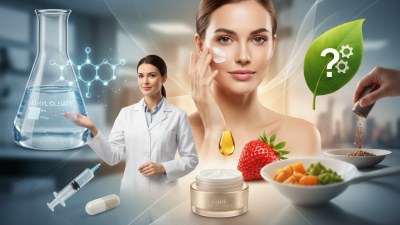
Ethyl oleate is increasingly recognized for its versatility across various industries. In cosmetics, it serves as an effective emollient. According to industry reports, the global cosmetic market is projected to reach $390 billion by 2026. This growth correlates with the rising demand for natural ingredients like ethyl oleate. Its ability to enhance skin absorption makes it a popular choice among formulators.
In the food industry, ethyl oleate acts as a flavoring agent and is utilized in food processing. The global food additives market is expected to grow at a CAGR of 5.5% over the next few years. This trend highlights the increasing reliance on compounds that enhance taste and quality. Ethyl oleate's properties contribute to both flavor and stability in various food applications. However, the market faces challenges regarding consumer safety perceptions, which require ongoing research.
Pharmaceutical applications also benefit from ethyl oleate's properties. It is commonly used in drug formulations as a solvent or vehicle for active ingredients. The global pharmaceutical excipients market is estimated to reach $7 billion by 2026, driven by innovations in drug delivery systems. While ethyl oleate offers numerous advantages, it also raises questions regarding potential allergies and sensitivities among users. Ongoing studies are needed to address these concerns comprehensively.
Top Uses of Ethyl Oleate for Global Buyers in 2026
| Application Area |
Usage Description |
Industry |
Market Trends |
| Cosmetics |
Emulsifier and skin conditioning agent |
Personal Care |
Growing demand for natural ingredients |
| Food Industry |
Used as a food additive and flavoring agent |
Food & Beverage |
Increased interest in plant-based food products |
| Pharmaceuticals |
Solvent and carrier for drug formulations |
Healthcare |
Rising investment in drug delivery systems |
| Agriculture |
Adjuvant in pesticide formulations |
Agriculture |
Shift towards eco-friendly agricultural practices |
| Textiles |
Used in textile softening and finishing |
Textile Industry |
Focus on sustainable textile production |
Regulatory Considerations for Ethyl Oleate Use Globally
Ethyl oleate is gaining attention worldwide for various applications. However, navigating regulatory landscapes can be challenging for global buyers. Each country may have distinct rules regarding its use. It's crucial to understand these regulations.
In the U.S., ethyl oleate is generally recognized as safe for specific uses. However, other regions might impose stricter guidelines. This discrepancy means that buyers should conduct thorough research before importing or using this compound. Consulting with local regulatory bodies can provide clarity on permissible uses.
Tips: Maintain clear records of all imports. Understand labeling requirements specific to your region. Non-compliance can lead to significant penalties.
Additionally, ethical sourcing is becoming increasingly important. Buyers need to consider sustainability in their sourcing practices. This includes ensuring that raw materials are obtained responsibly. Reflecting on supply chain ethics can help build trust with consumers.
Tips: Review suppliers’ sustainability practices regularly. Engage with suppliers who prioritize ethical standards. Consistent audits can help ensure compliance.
Future Innovations: Emerging Uses of Ethyl Oleate in Consumer Products
Ethyl oleate is gaining traction in consumer products. Its unique properties make it an exciting ingredient across various industries. According to Industry Research Reports, ethyl oleate may see a growth rate of over 5.6% in use as emulsifiers and solvents by 2026. This rise suggests an increasing demand for safe and effective ingredients in cosmetic formulations.
One notable area of innovation involves food additives. Ethyl oleate can act as a flavor enhancer, improving the taste profile without overpowering the product. Emerging studies have shown that this compound can even improve the shelf life of certain food products. However, its exact mechanism in these applications warrants further investigation.
Additionally, ethyl oleate is explored in pharmaceuticals. Its capacity as a carrier for active ingredients is under the spotlight. Reports indicate that it can help increase the bioavailability of essential nutrients. Yet, this potential remains underutilized in the market. There is a need for more research to fully harness its capabilities in medical applications. This gap presents an opportunity for future innovation.