What is Sodium Phytate and Its Benefits for Buyers?
Sodium Phytate is gaining attention for its potential benefits in various applications. This compound, derived from plants, has remarkable properties that could improve product quality and health. Buyers may wonder about its role in food, cosmetics, and health products.
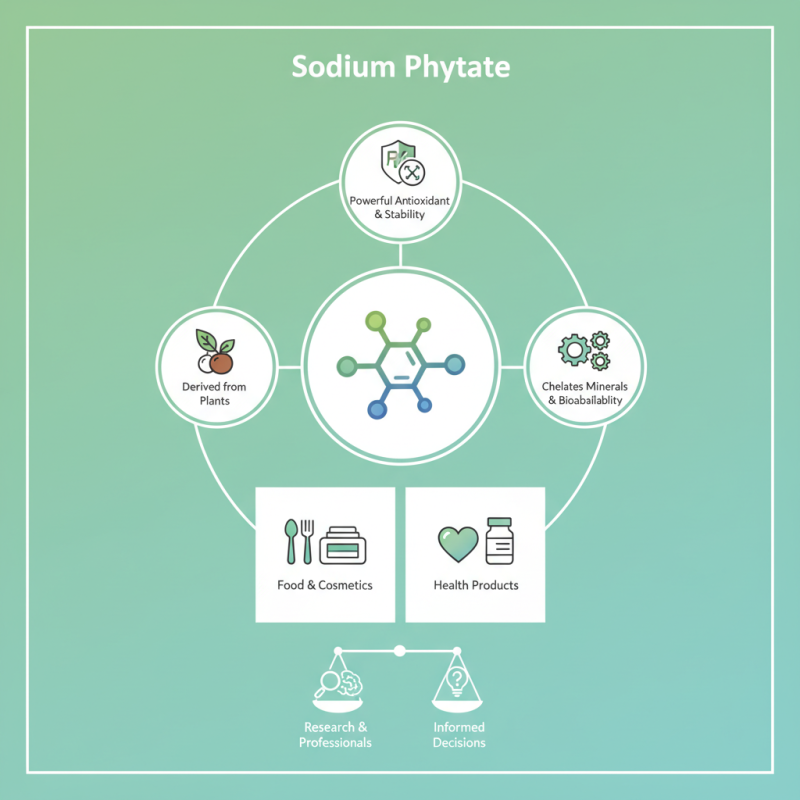
Understanding Sodium Phytate reveals its multifaceted nature. It acts as a powerful antioxidant, potentially enhancing stability in formulations. This compound can also chelate minerals, making them more bioavailable. These attributes appeal to health-conscious consumers and manufacturers alike.
As the market evolves, staying informed is crucial. While Sodium Phytate presents advantages, it is essential to consider its limitations. Not everyone may recognize its benefits. Buyers must do their research and consult professionals. This ensures they make well-informed decisions about incorporating Sodium Phytate into their products or diets.
What is Sodium Phytate?
Sodium Phytate,
a salt derived from phytic acid, is gaining attention in various industries. It serves as
a natural chelating agent, effectively binding minerals. This property enhances the
bioavailability of certain nutrients,
making it appealing for dietary supplements and fortified foods. According to a
2022 study in the Journal of Nutritional Science,
Sodium Phytate can increase iron absorption, particularly in plant-based diets.
Beyond nutrition, Sodium Phytate has applications in cosmetics and agriculture.
Its antioxidant properties help stabilize formulations. Research shows that phytate
can prevent oxidative stress, which is crucial for skin health. In agriculture, it
can improve soil health by enhancing microbial activity. However, its interaction
with other nutrients remains a topic of debate. Some studies suggest that excessive
phytate can inhibit mineral absorption, especially in diets low in animal proteins.
Utilizing Sodium Phytate requires careful consideration. Its benefits must be balanced with
potential limitations, such as its effect on mineral bioavailability. The variability in
individual responses underscores the need for further research. For consumers and
industries, understanding Sodium Phytate’s complex role can lead to more informed choices.
Chemical Structure and Composition of Sodium Phytate
Sodium phytate, a salt form of phytic acid, is garnering attention for its unique chemical composition. Phytate consists of inositol and six phosphate groups. This complex structure allows it to interact with various minerals, influencing their bioavailability. According to a 2020 study published in the "Journal of Nutrition," sodium phytate can chelate minerals like calcium, magnesium, and zinc, potentially reducing their absorption in the digestive tract.
Mining industry reports indicate that sodium phytate's solubility in water makes it an effective agent in various applications, including food fermentation and nutritional supplements. A study from the "Food Chemistry Journal" reveals that sodium phytate may contribute to the health benefits of plant-based diets by acting as an antioxidant. Specifically, it helps to combat oxidative stress, a factor in many chronic diseases. This versatile compound raises questions about how it can be utilized effectively without negative implications on mineral absorption.
However, the benefits of sodium phytate come with caveats. While it can enhance certain dietary properties, excessive intake might lead to nutrient absorption issues. A balanced approach is essential. A 2021 report in "Critical Reviews in Food Science and Nutrition" suggests moderation in consumption to maximize health benefits while addressing potential downsides. Sodium phytate represents a fascinating area of study, highlighting the need for ongoing research into its complex role in human nutrition.
Benefits of Sodium Phytate
Health Benefits of Sodium Phytate for Human Consumption
Sodium phytate, a natural compound found in plants, offers significant health benefits. It is often referred to as an antinutrient due to its ability to bind minerals. However, when consumed in moderation, it can enhance health. This compound supports digestive health, promoting a balanced gut microbiome. Individuals seeking to improve their gut health may find it particularly beneficial.
Research indicates that sodium phytate may aid in lowering cholesterol levels. This effect can contribute to heart health over time. For those looking to manage weight, sodium phytate can help control appetite, making it easier to maintain a balanced diet. Given its nutritional value, it is important to understand how to incorporate it effectively into meals.
It's worth noting that while phytate provides health benefits, excessive consumption might inhibit mineral absorption. This factor should not be overlooked. It’s crucial for consumers to seek a balanced intake. People interested in enhancing their diets should approach sodium phytate with a sense of mindfulness. Moderation is key to reaping the benefits while avoiding potential drawbacks.
What is Sodium Phytate and Its Benefits for Buyers? - Health Benefits of Sodium Phytate for Human Consumption
| Benefit |
Description |
Sources |
| Antioxidant Properties |
Sodium phytate can reduce oxidative stress by neutralizing free radicals. |
Whole grains, legumes, nuts |
| Mineral Absorption |
Helps improve the absorption of minerals like calcium, iron, and magnesium. |
Fortified foods, dietary supplements |
| Blood Sugar Regulation |
May help stabilize blood sugar levels, assisting in diabetes management. |
Whole grains, plant-based diets |
| Weight Management |
Contributes to satiety, which can help in weight control. |
Nut mixtures, healthy snacks |
| Digestive Health |
Supports gut health by improving digestion and nutrient absorption. |
Fruits, vegetables, whole grains |
Industrial Applications of Sodium Phytate
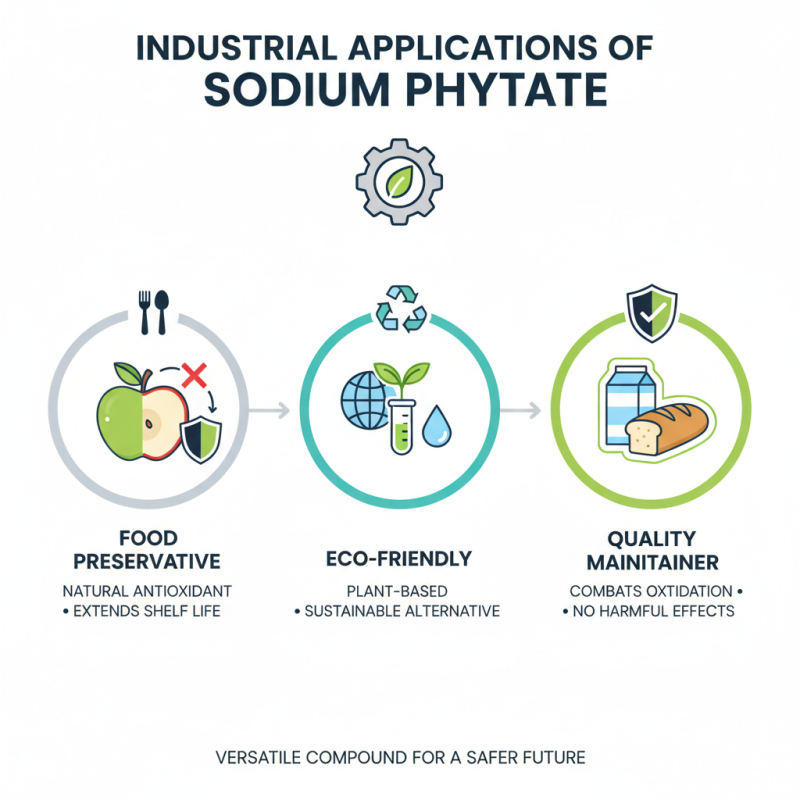
Sodium phytate is known for its diverse industrial applications. It is often utilized in the food industry as a natural preservative. This compound helps protect food from oxidative deterioration, thus extending shelf life. Manufacturers appreciate sodium phytate for its eco-friendliness when compared to synthetic additives. It provides an important function in maintaining food quality without harmful effects.
In the pharmaceutical field, sodium phytate also serves various purposes. It can act as a stabilizer for certain compounds, ensuring the efficacy of medications. Its role in enhancing bioavailability makes it a preferable choice. Nevertheless, users must consider dosage and handling. This compound impacts several processes, and loop holes in its application can lead to inconsistent results.
Additionally, sodium phytate finds its place in agricultural settings. It acts as a chelating agent, helping crops absorb essential nutrients. However, over-reliance on this compound can lead to nutrient imbalances in soil. Thus, a careful approach is vital in application. Balancing its benefits with potential drawbacks reflects a responsible practice within various industries.
Considerations for Buyers: Quality and Sourcing of Sodium Phytate
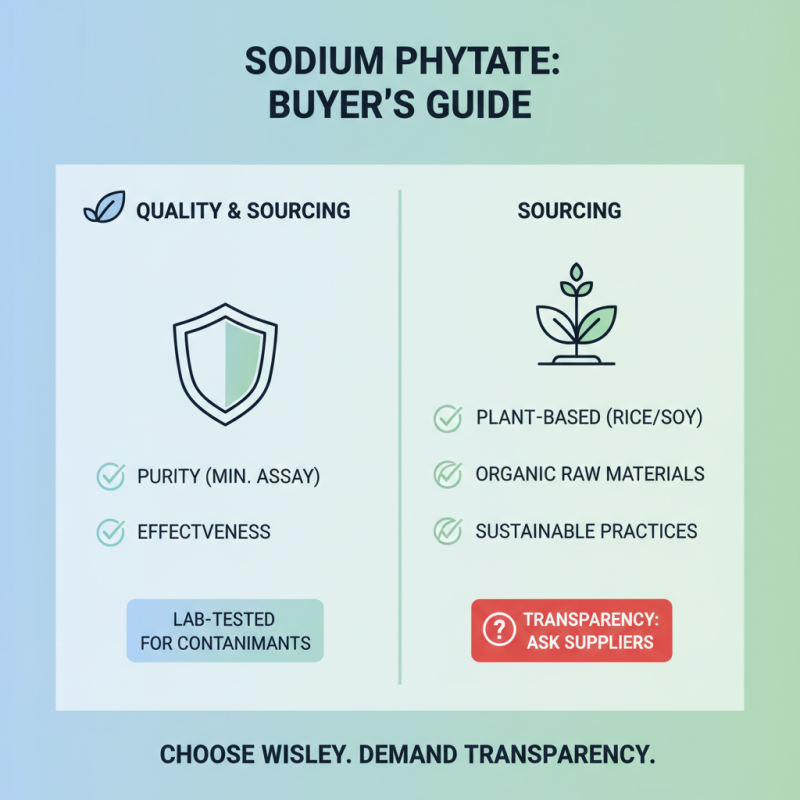
When considering the purchase of sodium phytate, buyers should focus on its quality and sourcing. This compound is often derived from plant sources, particularly rice and soy. Ensuring that the raw materials are organic and sustainably sourced can impact the product's overall effectiveness. Many suppliers may not disclose their sourcing methods, leading to questions about quality and purity.
Buyers should seek suppliers who provide transparency about their ingredient sourcing. It's essential to assess whether the sodium phytate is extracted through safe, environmentally-friendly processes. Not all products will have the same bioavailability, which is critical for its intended use. Ideally, consumers should look for third-party testing results to guarantee that they are receiving a quality product.
Additionally, understanding the regulations and standards in the industry can help buyers make informed decisions. Not every brand may meet high-quality benchmarks. Buyers should engage critically with suppliers and ask questions about sourcing practices. This scrutiny can reveal gaps in information or raise concerns about the product's integrity, prompting necessary reflections on both personal and market standards.