How to Buy Valaciclovir HCl Safely from Global Suppliers?

Buying Valaciclovir Hcl from a global supplier requires more than comparing prices. It requires verified quality, documented legality, and careful pharmaceutical judgment. Valaciclovir hydrochloride is a prescription antiviral used for conditions such as herpes simplex and varicella-zoster infections. Therefore, purchasing decisions should involve a licensed healthcare professional and an authorized pharmaceutical procurement team.

The World Health Organization reports that one in ten medical products in low- and middle-income countries may be substandard or falsified. That statistic makes supplier verification essential. WHO Good Distribution Practices recommend controlled storage, documented transport, traceability, and complaint handling. ICH Q7 also emphasizes quality systems for active pharmaceutical ingredients. These standards provide a practical framework for reviewing Valaciclovir Hcl manufacturers and distributors.

Look beyond a polished website. Request a current GMP certificate, Certificate of Analysis, batch number, manufacturing address, and stability data. Confirm whether the supplier can support independent laboratory testing. Packaging should show readable labels, tamper evidence, storage conditions, and an expiry date. A missing document matters.

Regulatory status also varies by country. The FDA advises consumers to use properly licensed pharmacies and avoid sellers offering prescription medicines without appropriate safeguards. Buyers should check local registration requirements, import rules, and authorized distribution channels before placing an order. No checklist is perfect. Even experienced procurement teams can overlook weak documentation, rushed communication, or inconsistent batch records. A cautious, evidence-based process helps reduce those risks and supports safer access to compliant Valaciclovir Hcl products.
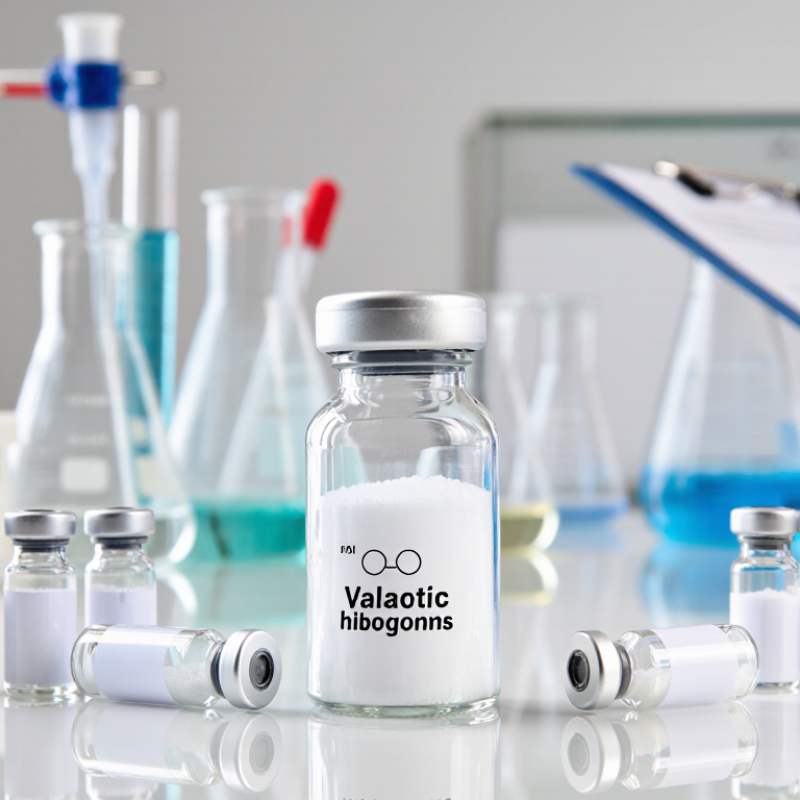
How to Buy Valaciclovir HCl Safely from Global Suppliers?

Understanding Valaciclovir HCl and Its Approved Uses

How to Buy Valaciclovir HCl Safely from Global Suppliers?

Valaciclovir hydrochloride is an antiviral prodrug that becomes acyclovir in the body. Clinicians prescribe it for certain herpes virus infections. Approved uses commonly include herpes zoster, genital herpes, and herpes labialis. Some regulators also approve recurrent genital herpes suppression or transmission reduction. Indications vary by country, age, and patient condition. It does not cure herpes or remove latent virus. That distinction matters when comparing supplier claims.

Treatment decisions belong with a licensed healthcare professional. Kidney function can change the dose and dosing interval. Older adults and dehydrated patients may need closer monitoring. Headache, nausea, and abdominal discomfort can occur. Confusion or reduced urine output needs prompt medical attention. Never substitute a supplier’s advice for a prescription. I would also check whether the product is approved locally, not merely available online.

For global purchasing, use a pharmacy or distributor licensed by the relevant national authority. Confirm the prescription requirement before payment. Request batch details, expiry date, storage conditions, and traceable quality documentation. A certificate alone is not proof of authenticity. Packaging should show consistent labeling and an intact seal. Avoid unusually cheap offers, pressure sales, or sellers who promise guaranteed results. It is easy to overtrust professional-looking websites. A pharmacist can verify the product and check interactions before dispensing.

Checking Supplier Credentials, Licenses, and Product Authenticity

Buying Valaciclovir HCl from a global supplier requires evidence, not polished websites. Confirm the supplier’s business registration, pharmaceutical distribution license, and current Good Manufacturing Practice certificate. Verify each document with the issuing authority. The World Health Organization estimates that one in ten medicines in low- and middle-income countries fails quality testing. That figure should encourage careful checking, not panic.

Request a complete certificate of analysis for the exact batch. It should identify valaciclovir HCl, assay strength, impurities, water content, and microbiological limits. Compare the batch number, expiry date, and packaging seal with the manufacturer’s records. An independent laboratory accredited to ISO/IEC 17025 can test identity and potency. Ask for temperature logs when transport conditions matter. Small gaps matter.

A reliable supplier should explain its distribution chain, recall procedure, and storage controls. Check whether the shipment comes through a licensed pharmacy or qualified pharmaceutical wholesaler in the destination country. Regulatory systems increasingly require traceable product data; the U.S. Drug Supply Chain Security Act is one example. Still, paperwork can be incomplete or copied. I would treat vague answers as a failed check, even when the price looks attractive. Some suppliers may provide genuine certificates but weak storage practices. That is an uncomfortable risk, and it deserves a second review before purchase.

Evaluating Quality Standards, Documentation, and Regulatory Compliance

Buying Valaciclovir HCl safely begins with evidence, not price. Request the supplier’s current GMP certificate, manufacturing address, batch-specific Certificate of Analysis, and full specification sheet. Check assay, related impurities, residual solvents, water content, and microbiological limits. The CoA should show test methods, acceptance criteria, results, analyst approval, and the exact batch number.

A polished PDF is not enough.

ICH Q7 expects controlled manufacturing, deviation handling, change control, and complete records for active pharmaceutical ingredients. The WHO report A Study on the Public Health and Socioeconomic Impact of Substandard and Falsified Medical Products estimated that one in ten medical products in low- and middle-income countries may be substandard or falsified. That figure is broad, not a supplier verdict. Still, it supports serious verification.

Ask for independent laboratory testing, retained-sample procedures, and traceability from production to shipment. Audit the quality agreement, not just the sales contract.

Regulatory compliance needs practical checking. Confirm the supplier’s legal manufacturing status, export documentation, shipping conditions, and destination-country requirements. Review data integrity against FDA guidance: records should be attributable, legible, contemporaneous, original, and accurate.

Shortcuts happen. They create risk. A clean document set cannot prove every shipment’s condition, and supplier websites may become outdated. Require recent audit evidence, inspect packaging photos, and compare container seals, labels, lot numbers, and temperature records upon receipt.

When uncertainty remains, pause the purchase and obtain qualified regulatory or quality advice.

Comparing International Shipping, Storage, and Import Requirements

How to Buy Valaciclovir HCl Safely from Global Suppliers?

Buying valaciclovir HCl internationally requires more than comparing a supplier’s quoted price. Shipping lanes, storage controls, and import documents can determine whether a compliant shipment arrives usable. The World Bank’s Logistics Performance Index 2023 assessed 139 economies and highlighted customs efficiency, infrastructure, and shipment reliability as major trade factors. These variables deserve attention before payment.

Ask for the exact product specification, batch documentation, certificate of analysis, safety data sheet, and GMP evidence. Storage conditions should follow the approved specification, not a casual supplier message. Use qualified packaging, temperature indicators, and data loggers when the material requires controlled conditions. Air freight may reduce transit time, but customs delays can still expose cargo to unsuitable warehouses. Small details matter.

Import rules differ by destination. Confirm HS classification, importer authorization, labeling, documentation, and any required health authority review before dispatch. The World Health Organization’s good distribution practices guidance stresses documented temperature control, traceability, and supplier qualification. A freight forwarder can help, but responsibility should not be outsourced completely. A spreadsheet cannot reveal every weak handoff. Review the route, including weekends and border closures. UNCTAD’s Review of Maritime Transport 2023 also reported continuing disruption risks across global shipping networks. One uncomfortable lesson remains: even strong paperwork cannot repair poor storage. Verify conditions at arrival, record any excursion, and pause release until a qualified professional assesses the batch.

How to Buy Valaciclovir HCl Safely from Global Suppliers?

Valaciclovir hydrochloride tablets are generally labeled for storage at 20–25°C, with permitted temperature excursions of 15–30°C. International shipments should maintain the approved label conditions and use documented temperature controls. Refrigerated transport should only be used when specifically required by the product’s approved labeling.

Import requirements vary by destination and may include an import permit, commercial invoice, packing list, certificate of analysis, certificate of origin, batch and lot details, and evidence of GMP compliance. Buyers should confirm requirements with the destination country’s medicines authority before shipment.

Completing a Safe Purchase and Verifying Delivery Records

Buying Valaciclovir HCl safely begins with a licensed supplier and a documented medical need. Confirm the supplier’s registration, pharmacy credentials, and authorization to handle prescription medicines. Request a current certificate of analysis, batch number, expiry date, storage conditions, and manufacturing-site details. A professional supplier should answer clearly, not pressure you to pay quickly. Ask a pharmacist to review the documents before placing the order.

The purchase record should show the product name, strength, quantity, invoice number, and agreed shipping conditions. Use a traceable delivery service with temperature monitoring when required. At arrival, photograph the outer carton, tamper seals, labels, and temperature indicator. Compare every detail with the invoice and certificate. Check for damaged packaging, unexpected moisture, missing labels, or an unexplained change in appearance. Do not use questionable stock.

Keep the delivery note, tracking history, payment record, batch information, and receiving date together. These records support recalls, quality investigations, and pharmacy audits. If the shipment arrives late or warm, place it in quarantine and contact the supplier and pharmacist. Do not quietly accept a discrepancy. I have found that small record gaps can become serious later. My process is careful, but not perfect; a second person should review unusual findings. Personal medical information should also remain protected during document sharing.