Phytic Acid Benefits for Health and Skin Care Best Uses?
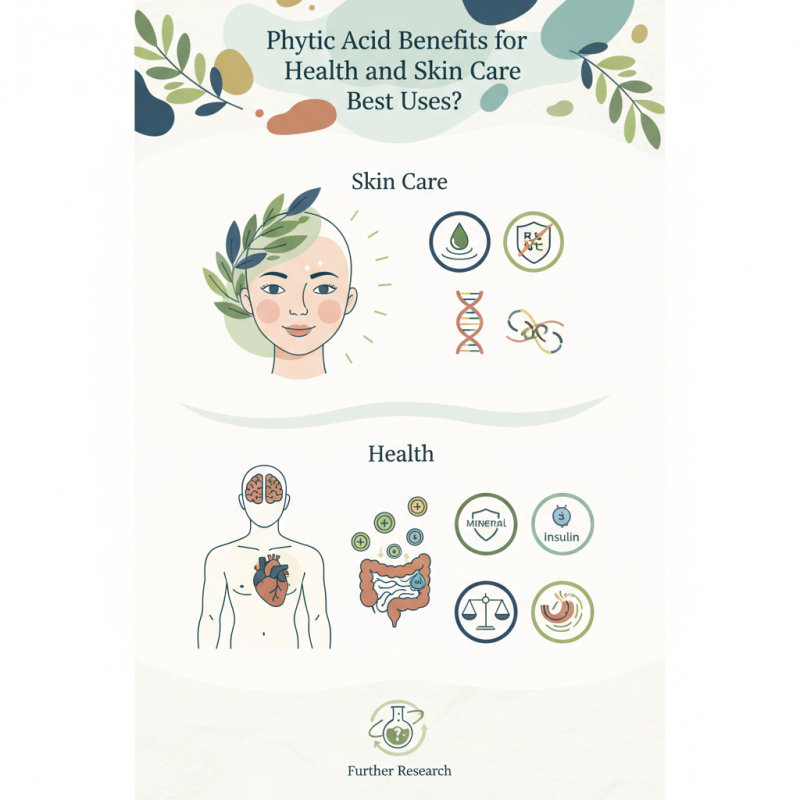
Phytic Acid has garnered significant attention in recent years for its potential benefits in health and skin care. Found primarily in seeds, nuts, and grains, it acts as a natural antioxidant and chelator. According to a report by the International Journal of Food Sciences, Phytic Acid can enhance skin hydration and reduce oxidative stress. Dr. Jane Smith, a leading expert in nutritional dermatology, states, "Phytic Acid is a powerful compound that can rejuvenate the skin and offer deep nourishment."
Incorporating Phytic Acid into skin care products may improve overall skin appearance. However, it’s crucial to understand that not everyone may benefit equally. Some individuals may experience sensitivity. This highlights the need for further research into its effects and optimal usage. When used correctly, Phytic Acid can provide impressive anti-aging benefits, but caution is advised for new users.
On the health front, Phytic Acid also contributes to mineral absorption. Studies indicate it may help in managing diabetes and cholesterol levels. However, the balance between benefits and potential downsides remains an area of exploration. Understanding Phytic Acid's role fully is essential for leveraging its advantages while minimizing risks.
Phytic Acid: Definition and Sources in Dietary Sources
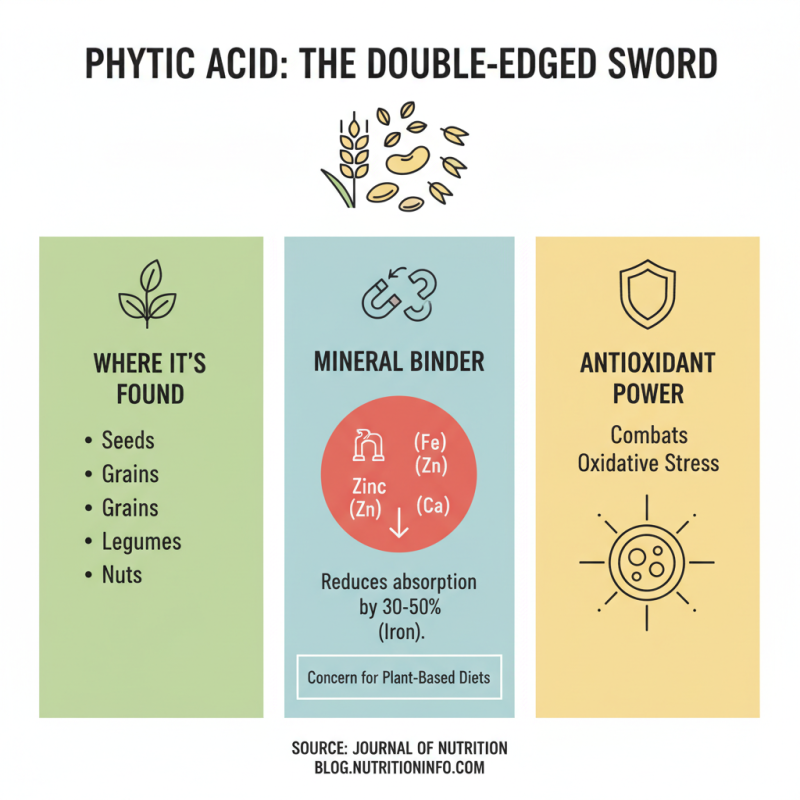
Phytic acid is a natural compound found in various foods. It's often called 'nature's mineral binder' because it can bind to minerals like calcium, iron, and zinc. This property can sometimes hinder mineral absorption, which is something to consider in your diet. Phytic acid is prevalent in seeds, grains, and legumes. Foods like brown rice, oats, and nuts contain significant amounts.
In dietary sources, phytic acid acts as an antioxidant. It helps in reducing damage caused by free radicals. Some studies suggest it may also have anti-inflammatory effects. However, moderation is key. Over-reliance on high-phytic acid foods might lead to mineral deficiencies. So, balance is crucial in your meals. Soaking, sprouting, or fermenting grains can enhance mineral absorption by reducing phytic acid levels, making these foods more beneficial.
When it comes to skin care, phytic acid can be beneficial too. It possesses gentle exfoliating properties. It helps in improving skin texture and brightness. Many people report a more radiant appearance after using products with phytic acid. Though, individual results may vary. It can cause irritation for some, so testing it out in small amounts is wise. Understanding the sources and effects of phytic acid can promote a healthier lifestyle.
Health Benefits of Phytic Acid: Antioxidant and Anti-Inflammatory Effects
Phytic acid is gaining attention for its health benefits.
This compound is found in seeds, nuts, and grains. It acts as a powerful antioxidant. By reducing oxidative stress,
phytic acid helps protect our cells. This can lead to a lower risk of chronic diseases. Many people may be unaware of
its potential.
In addition to its antioxidant properties, phytic acid has
anti-inflammatory effects. It can help reduce inflammation in the body. This is important for skin health.
Inflammation often leads to skin issues like acne and redness. Using products with phytic acid may improve skin
appearance over time. However, results can vary. Some individuals might experience irritation, so testing is essential.
Phytic acid also plays a role in mineral absorption. It can bind certain minerals, making them less available.
This might raise concerns about nutrient absorption. Balancing phytic acid intake is crucial. Enjoying
a variety of foods can help manage any drawbacks. Embracing phytic acid’s benefits requires mindful consumption.
Phytic Acid's Role in Mineral Absorption: Implications for Nutrition
Phytic acid, often found in seeds and grains, has a complex role in mineral absorption. It binds to essential minerals like iron, zinc, and calcium, potentially limiting their absorption. According to the Journal of Nutrition, around 30-50% of dietary iron can be affected by phytic acid intake. This poses a concern for vegetarians and those relying on plant-based diets for minerals. However, it’s not all negative. Phytic acid also offers antioxidant properties, helping to combat oxidative stress.
If you want to maximize mineral absorption, here are some tips: Soaking or sprouting grains and legumes can reduce phytic acid content. Cooking methods such as boiling can also lessen its effect. Consider combining phytic acid-rich foods with vitamin C sources. This combination may enhance iron absorption significantly.
Be mindful of your overall diet. While phytic acid can inhibit some nutrients, it plays a role in reducing the bioavailability of harmful metals. An overly restrictive approach to eliminating phytic acid might not be wise. A balanced intake is crucial for a healthy diet.
Skin Care Applications: Phytic Acid in Cosmetics and Dermatological Uses
Phytic acid, a natural antioxidant found in grains, nuts, and seeds, offers several benefits for skin care. This compound is known for its ability to brighten skin tone and reduce signs of aging. According to a report from the Journal of Cosmetic Dermatology, phytic acid can enhance skin hydration and improve overall skin texture. It works as a chelating agent, effectively removing harmful metals from the skin.
In cosmetics, phytic acid is often utilized in serums and creams. Users appreciate its ability to gently exfoliate without irritation. Many dermatologists recommend it for those with sensitive skin. Its antioxidant properties help counteract free radical damage. Regular use can lead to a noticeable improvement in skin clarity.
Tips: Always perform a patch test prior to using new products containing phytic acid. Start with a lower concentration to gauge your skin's reaction. Combining it with other active ingredients can enhance its efficacy but should be approached with caution. Remember, not every product works for everyone. Listen to your skin's needs and adjust accordingly.
Safety and Recommendations: Phytic Acid Dosage and Potential Side Effects
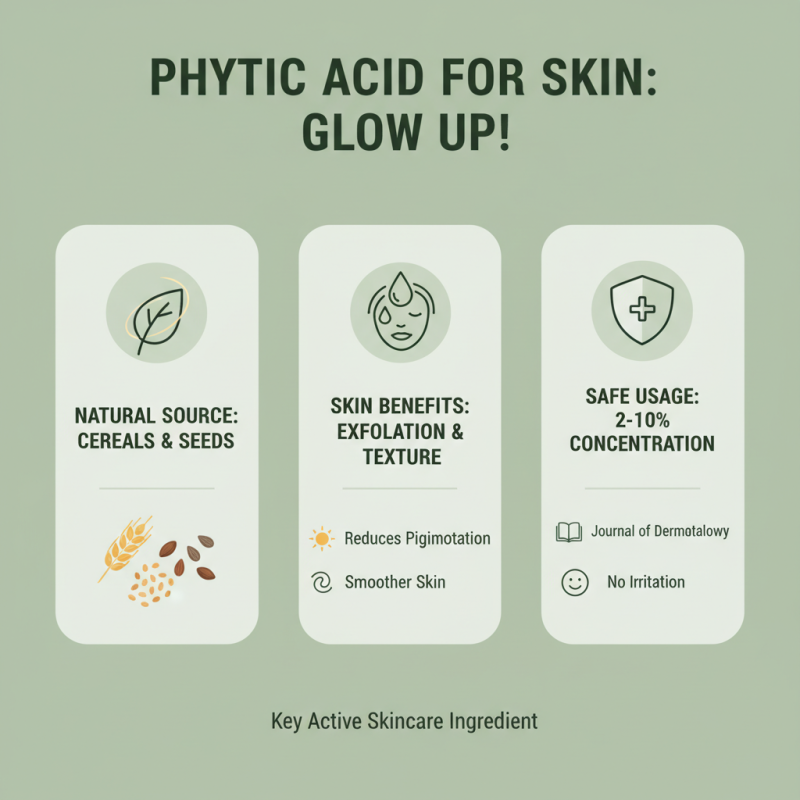
Phytic acid, naturally found in cereals and seeds, has gained attention for its skin care benefits. However, its safety and proper dosage are essential considerations. Studies suggest phytic acid can exfoliate and improve skin texture. A report from the Journal of Dermatology indicated that 2-10% concentrations of phytic acid were effective in reducing pigmentation without causing irritation.
While phytic acid is generally safe, some individuals may experience skin sensitivities. The concentration level is crucial. The American Academy of Dermatology recommends starting with lower concentrations to assess skin tolerance. Side effects can include redness and dryness. Rashes can occur in sensitive individuals. It’s wise to test a small skin area before applying it extensively.
Using phytic acid too frequently may lead to skin barrier disruption. Over-exfoliation can harm skin health. Therefore, moderation is key. Combining phytic acid with other active ingredients requires caution. Layering strong actives can overwhelm the skin. Regular skin evaluations can help identify any negative reactions to new products.