What is Phytic Acid and How Does it Benefit Your Health?
Phytic Acid is an intriguing compound found in various plant foods. It is mainly present in seeds, grains, and legumes. Research indicates that about 60% of the phosphorus in these plants is in the form of Phytic Acid. This unique feature makes it a significant player in nutrition.
Numerous studies highlight the health benefits of Phytic Acid. It is recognized for its antioxidant properties. A recent report by the Journal of Nutritional Biochemistry indicates that Phytic Acid may help reduce the risk of chronic diseases, including heart disease and cancer. However, it can also interfere with mineral absorption. This aspect of Phytic Acid requires a careful balance in dietary choices.
While Phytic Acid shows promise, it cannot be overlooked that excessive intake from certain foods may lead to deficiencies. For instance, it can reduce zinc and iron absorption. Thus, considering the overall diet is crucial. Embracing Phytic Acid-rich foods alongside adequate mineral sources might be the key to gaining its benefits. Reflecting on this balance can help us better understand our health choices.
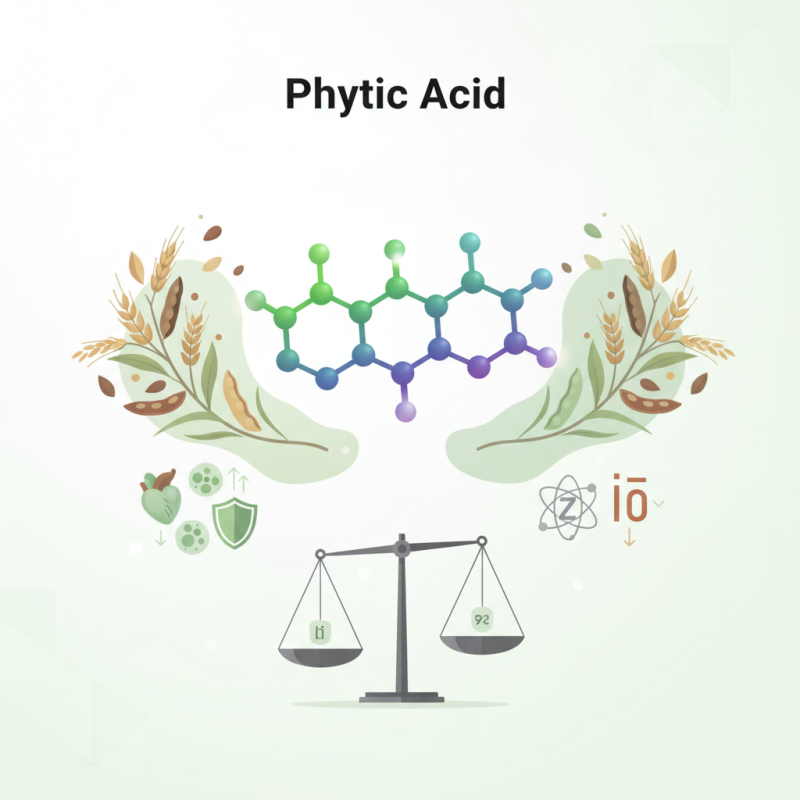
Understanding Phytic Acid: Definition and Sources in Foods
Phytic acid is a natural compound found in various plant foods. It acts as the primary storage form of phosphorus in many seeds and grains. Legumes, nuts, and whole grains are some common sources of phytic acid. It can also be found in many health foods, often celebrated for its potential health benefits.
While phytic acid has its perks, it can also limit nutrient absorption. For instance, it binds to minerals like iron and zinc, making them less available for the body. This could raise concerns for individuals relying heavily on plant-based diets. However, cooking, soaking, or fermenting foods can break down phytic acid, improving nutrient bioavailability.
Including foods rich in phytic acid may support heart health and reduce cancer risk. These potential benefits come from its antioxidant properties. Still, balancing intake is crucial. Too much phytic acid could pose a problem, especially for those with specific dietary needs. Thoughtful food preparation methods can help you enjoy its benefits while minimizing drawbacks.
What is Phytic Acid and How Does it Benefit Your Health?
| Food Source |
Phytic Acid Content (mg/100g) |
Health Benefits |
| Oats |
200-500 |
May improve digestion and reduce cholesterol levels. |
| Brown Rice |
100-300 |
Rich in fiber; may help manage blood sugar levels. |
| Legumes (Beans) |
200-800 |
Support heart health and provide protein. |
| Nuts (Almonds) |
80-180 |
Source of healthy fats and antioxidants. |
| Whole Wheat |
300-400 |
May help reduce the risk of certain chronic diseases. |
The Role of Phytic Acid in Nutrient Absorption and Bioavailability
Phytic acid, found primarily in seeds, nuts, and grains, plays a complex role in nutrient absorption. It's often deemed an "anti-nutrient" due to its ability to bind to minerals like iron and zinc. A 2018 study published in the *Nutrition Journal* highlights that phytic acid can reduce mineral bioavailability by 20-50%. This means that while it may diminish nutrient absorption, it also has beneficial effects on health.
Research reveals that phytic acid acts as an antioxidant. It helps protect cells from oxidative stress. A 2014 review in *Critical Reviews in Food Science and Nutrition* found that consuming foods high in phytic acid may lower the risk of certain diseases, including heart disease and diabetes. The trade-off here is noteworthy: while it can inhibit absorption of essential minerals, its antioxidant potential may contribute to overall health benefits.
Food processing techniques, like soaking and sprouting, can impact phytic acid levels. These methods can enhance mineral bioavailability. However, the effectiveness can vary widely. Not all techniques are equally effective for every food type. This ambiguity calls for further exploration. Balancing phytic acid intake with nutrient-rich foods is essential for optimizing health outcomes.
Health Benefits of Phytic Acid: Antioxidant and Anti-Inflammatory Effects
Phytic acid, often called an "anti-nutrient," is found in many grains and legumes. Contrary to its negative reputation, research suggests it has significant health benefits. One major area of interest is its antioxidant properties. Phytic acid can neutralize harmful free radicals in the body. A study published in the Journal of Nutrition found that phytic acid reduces oxidative stress, which is linked to various chronic diseases.
The anti-inflammatory effects of phytic acid are also noteworthy. Inflammation is a common issue in today’s lifestyle, leading to numerous health problems. Research indicates that phytic acid may inhibit the production of pro-inflammatory cytokines. This response could lower inflammation markers in the body. A report from the International Journal of Molecular Sciences highlighted these anti-inflammatory aspects, suggesting that regular intake may improve overall health.
Despite these benefits, not everyone may need phytic acid supplementation. Some individuals might experience digestive discomfort or nutrient absorption issues. Balancing phytic acid with other components in the diet is crucial. Too much can hinder mineral absorption. The key lies in moderation and a varied diet rich in other nutrients. This reflects the complexity of nutrition science and the need for more personal research on dietary needs.
Phytic Acid and Its Impact on Mineral Bioavailability in Diets
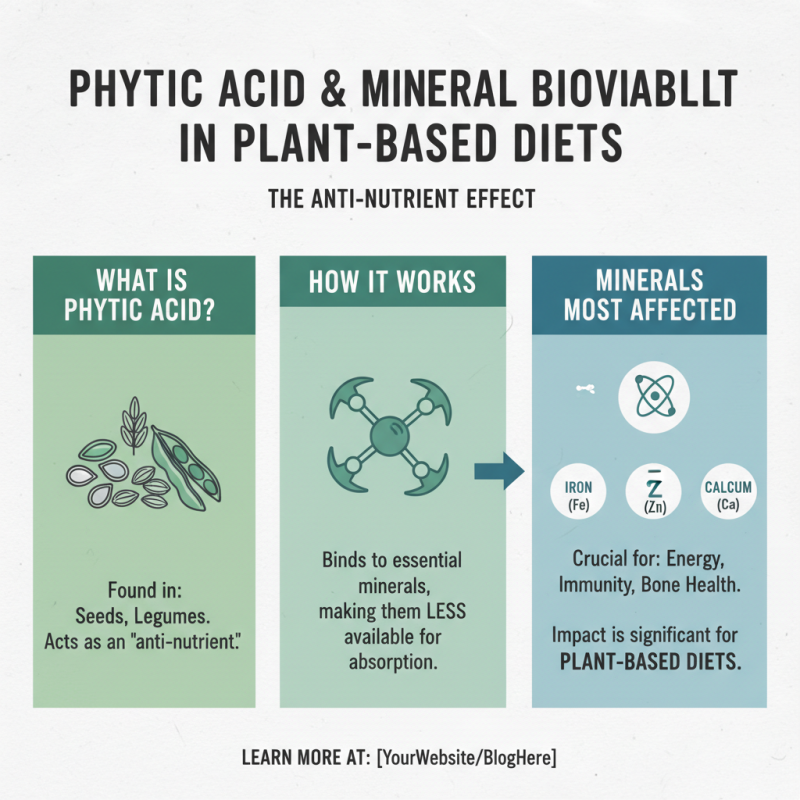
Phytic acid is found in seeds, grains, and legumes. It often acts as an anti-nutrient. This means it can bind to important minerals, making them less available for our bodies. Iron, zinc, and calcium are the minerals most affected. This is significant for those who rely on plant-based diets, where phytic acid is prevalent.
Some studies suggest that soaking or fermenting these foods can decrease phytic acid levels. This could enhance mineral absorption. Still, not everyone does this. Many people consume whole grains and legumes without preparation. It's crucial to identify whether your diet allows sufficient mineral absorption. If you often feel fatigued or experience other deficiencies, consider the role of phytic acid in your foods.
Incorporating a variety of food is key. Animal products typically provide minerals more readily. Balancing your diet with sources of vitamin C can also help. It aids in iron absorption, counteracting phytic acid's effects. Analyzing your meals might reveal patterns that impact your health. Are you getting enough minerals? Reflect on what you eat regularly.
Research Insights: Current Studies on Phytic Acid and Health Outcomes
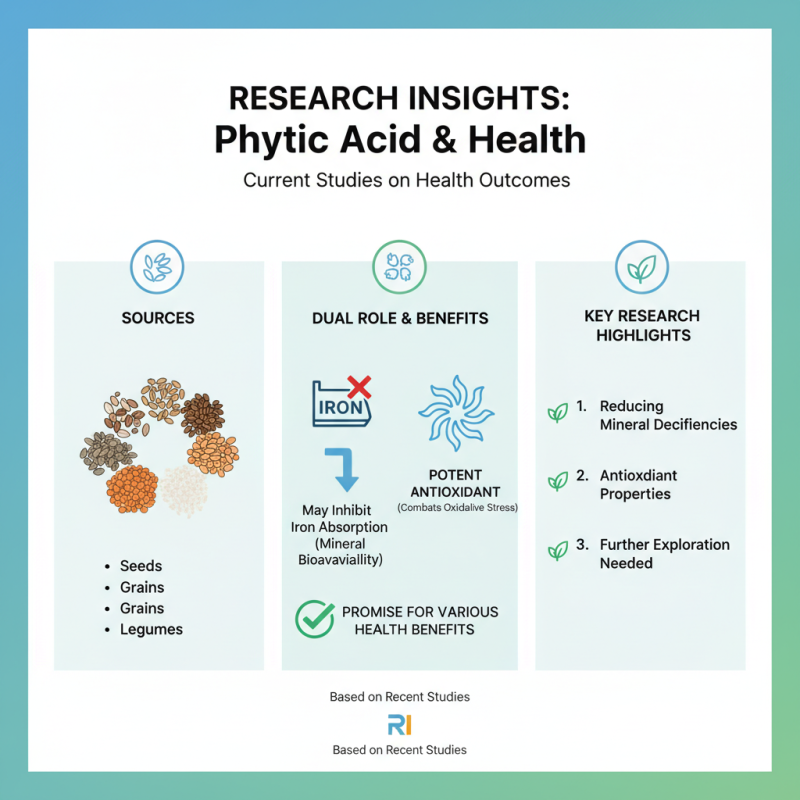
Phytic acid, commonly found in seeds, grains, and legumes, shows promise for various health benefits. Recent studies highlight its role in reducing mineral deficiencies. Researchers found that phytic acid might inhibit iron absorption. However, it also has antioxidant properties that can combat oxidative stress. This dual function is intriguing and deserves further exploration.
Tips: To maximize phytic acid benefits, soak grains and legumes. This can reduce phytic acid content while preserving nutrients. Consider using diverse sources of food that contain phytic acid, like nuts or seeds, as part of a balanced diet.
A few studies suggest that phytic acid might help in cancer prevention. Animal models showed decreased tumor growth with long-term phytic acid intake. Still, more human studies are needed to confirm these findings and understand the dosage. Be aware that reliance solely on phytic acid-rich foods may not be adequate for everyone. Balance is key to maintaining good health.