Methyl Paraben Benefits and Usage Tips for Global Buyers
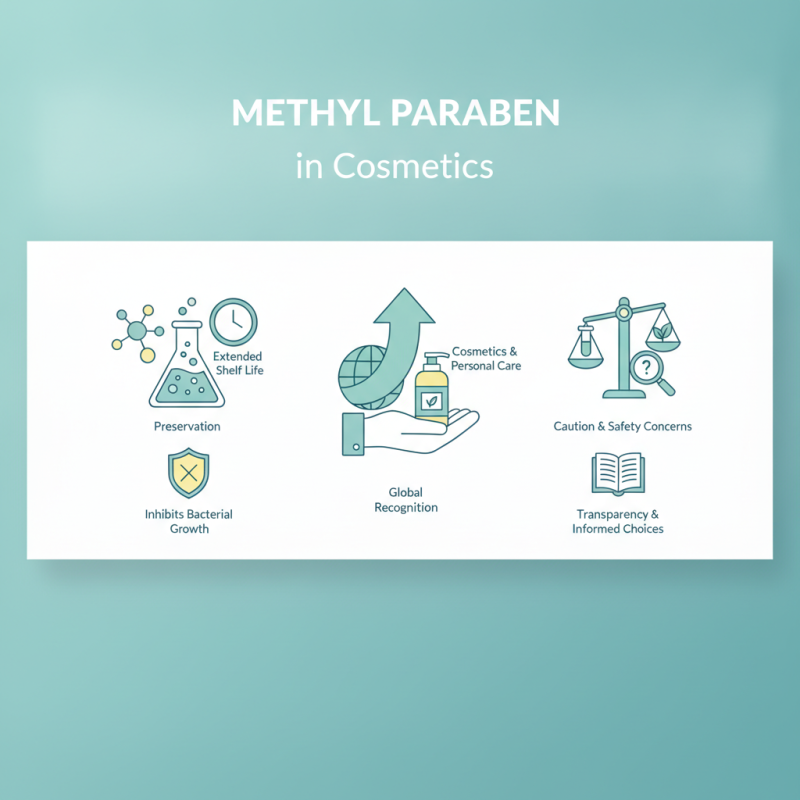
Methyl Paraben is widely known in the cosmetics and personal care industries. This compound serves as an effective preservative, helping products last longer while maintaining safety. Dr. Emily Thompson, a renowned cosmetic chemist, states, “Methyl Paraben is essential for inhibiting bacterial growth, making it crucial for product integrity.”
Buyers around the globe increasingly recognize the value of Methyl Paraben. Its efficacy in extending shelf life cannot be overstated. Many manufacturers depend on this compound to ensure their products remain fresh and safe for consumers. However, this reliance prompts questions about long-term safety and potential alternatives. Experts advocate for transparency in ingredient use, urging brands to disclose all components clearly.
While Methyl Paraben has numerous benefits, it also requires careful consideration. The discussion surrounding its safety shows that not all products with Methyl Paraben are without risk. Ongoing research continues to shape opinions on its use. Thus, buyers must approach Methyl Paraben with both appreciation and caution, ensuring informed choices in beauty and personal care items.
Understanding Methyl Paraben: Definition and Chemical Properties
Methyl paraben is a widely used preservative in cosmetics and personal care products. Its chemical formula is C8H8O3, which is composed of a para-hydroxybenzoic acid structure. This compound is known for its antifungal and antibacterial properties. It helps to prolong the shelf life of products by preventing microbial growth. However, concerns have been raised regarding its safety and potential hormonal effects.
Understanding the properties of methyl paraben is crucial for informed usage. It is soluble in alcohol and slightly soluble in water. This makes it versatile for formulation in various products. Manufacturers often appreciate its stability in different pH levels, enhancing the overall quality. Yet, not all methyl parabens are created equal. The source of the ingredient and its concentration should be carefully considered.
**Tips:** When choosing products with methyl paraben, check the ingredient list for its concentration. Opt for products that use it in lower amounts. Always patch-test new products to avoid skin irritation. Stay informed about emerging research surrounding parabens to make informed decisions. The landscape of cosmetic ingredients is shifting, and consumer awareness is critical. Balancing benefits with potential risks is key.
Key Benefits of Methyl Paraben in Cosmetics and Personal Care Products
Methyl paraben is a widely used ingredient in cosmetics and personal care products. Its primary role is as a preservative, preventing the growth of harmful bacteria and molds. This ensures that products remain safe for consumers over time. Many formulations, from lotions to shampoos, benefit from its effectiveness. The ability to prolong shelf life offers convenience. Users can trust that products are reliable and effective for longer periods.
Beyond its preservative qualities, methyl paraben is also valued for its mildness. It rarely irritates the skin, making it a favorite for sensitive skin formulations. In addition, it helps maintain product consistency. This is crucial when creating a smooth texture in creams and gels. However, some consumers express concerns about parabens due to possible health risks. This calls for ongoing research and open dialogue in the beauty industry.
While methyl paraben serves essential functions, it's important to remain informed. Users should be aware of their preferences and any potential sensitivities. Transparency from manufacturers matters greatly. Clear labeling can help consumers make educated choices. Ultimately, understanding the benefits and potential drawbacks of methyl paraben empowers consumers.
Methyl Paraben Benefits and Usage Tips for Global Buyers
| Benefit |
Description |
Usage Tips |
| Antimicrobial Properties |
Methyl paraben helps in inhibiting the growth of bacteria and fungi, thereby extending the shelf life of products. |
Use in formulations meant for prolonged use, especially in humid environments. |
| Skin Compatibility |
Generally well-tolerated by most skin types, including sensitive skin when used in appropriate concentrations. |
Conduct patch tests to ensure skin compatibility in sensitive formulations. |
| Cost-Effectiveness |
Methyl paraben is an economical choice for preserving products compared to other preservatives. |
Evaluate cost vs. efficacy when formulating products for different market segments. |
| Stability |
High stability across a wide range of pH levels and temperatures, making it versatile for various formulas. |
Incorporate into formulations that may encounter varied conditions during shelf life. |
| Wide Regulatory Approval |
Accepted by many regulatory bodies for use in cosmetics and personal care products. |
Ensure adherence to local regulations regarding concentration limits in formulations. |
Safety and Regulatory Considerations for Methyl Paraben Usage
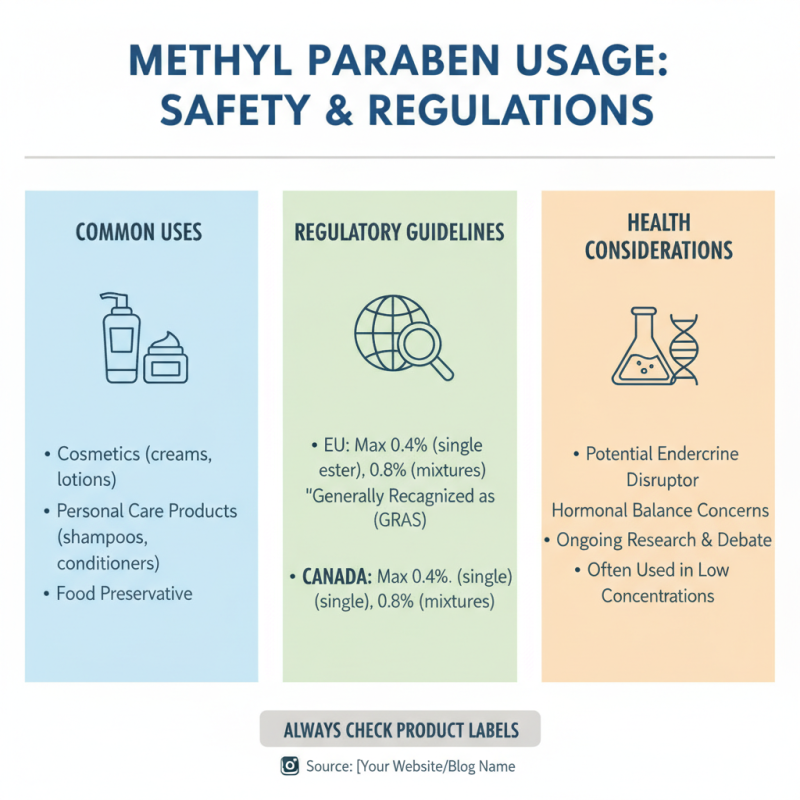
Methyl paraben is widely used in cosmetics and personal care products. However, safety and regulatory considerations are crucial when it comes to its usage. Many countries have strict guidelines regarding its concentration in formulations. The concerns often relate to its potential endocrine-disrupting properties, which have spurred discussions in health circles.
Regulatory bodies, such as the European Commission, have set limits for methyl paraben in products to protect consumers. For example, they recommend a maximum concentration of 0.8% in leave-on formulations. Buyers need to stay informed about these regulations, as they can vary significantly across regions. Additionally, it’s essential to monitor any updates or studies related to methyl paraben's safety.
While methyl paraben’s antimicrobial properties offer some advantages, the ongoing debate around safety must not be ignored. Manufacturers should regularly evaluate their formulations and consider alternative preservatives. Transparency in labeling is key for consumer trust. Engaging with research can help buyers make informed decisions about using methyl paraben.
Methyl Paraben Application Tips for Manufacturers and Consumers
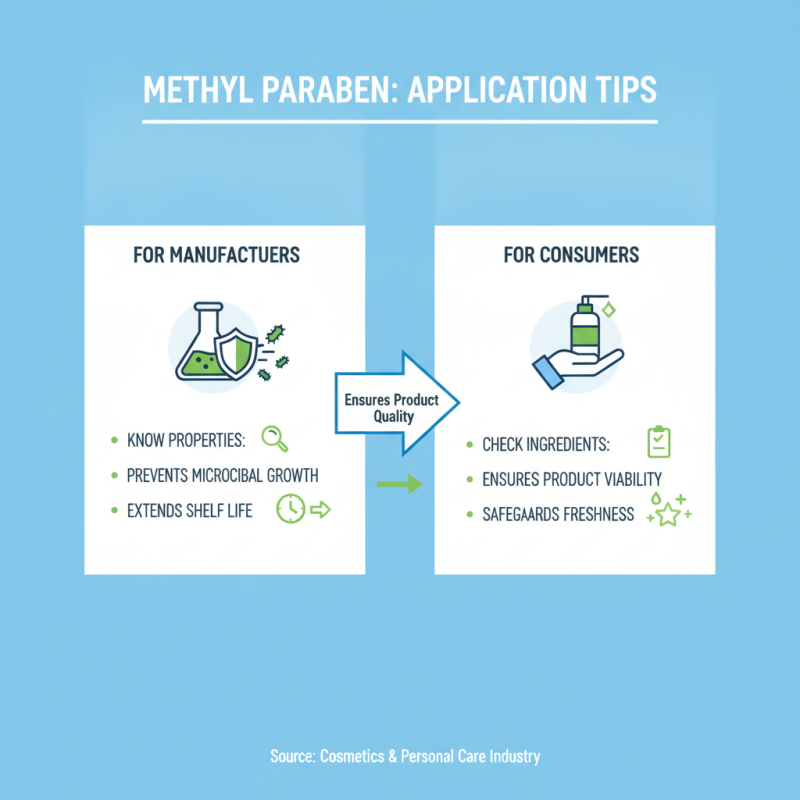
Methyl paraben is widely used in cosmetics and personal care products. For manufacturers, understanding its properties is crucial. This compound is effective in preventing microbial growth. Therefore, it helps extend shelf life, which is important for product viability.
When formulating with methyl paraben, consider the concentration. Excessive amounts may irritate sensitive skin. Start with lower concentrations to determine effectiveness. This approach also aligns with consumer preferences for fewer chemicals.
For consumers, understanding labels is essential. Products containing methyl paraben can be safe when used correctly. However, reactions can vary. Some users may experience sensitivity. It's advisable to patch-test new products before widespread use. Always prioritize products that fit your skin type and concerns.
Alternatives to Methyl Paraben: Trends in Preservative Choices
As consumers become more health-conscious, the demand for natural preservatives is on the rise. This shift reflects a growing awareness of the potential side effects of synthetic additives. Methyl paraben, once a staple in many formulations, is now often scrutinized. Many buyers are looking for safer alternatives that align with holistic wellness trends.
Options like essential oils, vinegar, and salt are gaining traction. These natural preservatives offer antimicrobial properties without the drawbacks of chemical options. Some manufacturers also explore plant-based extracts as effective agents. While the efficacy may sometimes vary, they resonate better with consumers seeking transparency and sustainability.
However, the transition to natural preservatives isn't without its challenges. Formulations may require adjustments, as these alternatives can behave differently. This complexity makes it essential for companies to innovate while considering the end-user experience. Maintaining product stability and safety remains paramount, and it can be a trial-and-error process. Adapting to these trends demands both expertise and a willingness to rethink traditional practices.