Valaciclovir Hcl, an antiviral medication, plays a crucial role in treating various viral infections. According to the World Health Organization (WHO), over 3.7 billion people have been infected with herpes simplex virus type 1 globally. Effective treatment options like Valaciclovir Hcl can significantly improve patients' quality of life.
Clinical studies support Valaciclovir Hcl’s efficacy in reducing symptoms and transmission of herpes viruses. A report from the Centers for Disease Control and Prevention (CDC) notes that the drug can reduce the duration and severity of outbreaks by 30-50%. Patients should be aware that while Valaciclovir Hcl is effective, it may not completely eliminate the virus.
Adherence to prescribed dosages is essential for maximizing benefits. Misuse or inconsistent use can lead to resistance or treatment failure. Understanding how to use Valaciclovir Hcl effectively is vital for achieving optimal outcomes. This includes being mindful of potential side effects and consulting healthcare professionals for personalized advice.

Valaciclovir Hcl is an antiviral medication. It is primarily used to treat infections caused by certain viruses. Understanding its mechanism of action is crucial for effective treatment. The drug targets the viral replication process. It inhibits DNA synthesis, preventing the virus from multiplying. This leads to a reduction in symptoms and speeds up recovery.
When taken, Valaciclovir is converted into acyclovir. Acyclovir works by specifically targeting viral DNA polymerase. This enzyme is essential for virus replication. By blocking this enzyme, Valaciclovir stops the virus in its tracks. Patients may notice a decrease in outbreaks and less severe symptoms over time. However, not everyone responds the same way. Some may experience side effects that require attention.
Using Valaciclovir effectively means adhering to the prescribed dosage. Taking it too infrequently or stopping prematurely can lead to resistance. Communicating with healthcare professionals is vital. They can provide insights tailored to individual needs. Additionally, it’s important to monitor any changes in your condition. Regular check-ins can ensure the treatment remains effective.
| Treatment Area | Dosage (mg) | Frequency | Duration | Mechanism of Action |
|---|---|---|---|---|
| Herpes Simplex Virus (HSV) Infection | 500 | Twice Daily | 5-10 Days | Inhibits viral DNA replication by preventing viral DNA chain elongation. |
| Shingles (Herpes Zoster) | 1000 | Three Times Daily | 7 Days | Blocks viral replication by inhibiting the activity of the viral enzyme DNA polymerase. |
| Cold Sores (Herpes Labialis) | 2000 | Every 12 Hours | 1 Day | Inhibits the replication of the herpes virus by targeting viral DNA synthesis. |
Valaciclovir Hcl is commonly prescribed for treating conditions caused by certain types of viruses. It is particularly effective against herpes simplex virus and herpes zoster. This medication helps reduce the severity and duration of outbreaks. Many healthcare professionals recommend it for managing recurrent genital herpes and shingles. Patients often feel some confusion about the right time to start treatment. Timing is key for optimal results.
In addition to genital herpes, Valaciclovir is indicated for cold sores. It can also help immunocompromised individuals who are at risk for viral infections. Regular use of this antiviral can prevent too many flare-ups. However, patients should be aware of potential side effects. Some report headaches and nausea, which can affect their willingness to continue. Proper guidance from a healthcare provider is vital.
Managing expectations is crucial when using this medication. It may not work immediately for everyone. Sometimes, it takes a few doses to feel relief. Tracking symptoms can help individuals recognize what works best for them. The path to recovery can feel frustrating, yet adherence to the prescribed regimen provides the best chance for success.
Valaciclovir HCl is an antiviral medication used to treat infections caused by certain viruses. When determining the appropriate dosage, it's essential to consider factors such as the specific condition being treated and the patient's overall health. For treating herpes simplex, the recommended dosage for adults typically begins at 1,000 mg taken twice daily. Adjustments may be necessary based on kidney function, as impaired renal clearance can affect drug metabolism significantly.
Current studies show that adherence to the prescribed dosage can lead to a more than 50% reduction in symptom duration. However, patients often underestimate the importance of following these guidelines strictly. Missing doses can lead to drug resistance, which complicates treatment. Monitoring through regular follow-ups is critical, especially in patients with renal impairment.
Administration details should not be overlooked. Taking valaciclovir with a full glass of water can improve absorption. Eating does not influence the drug's efficacy, allowing flexibility in administration. Nonetheless, some patients report gastrointestinal disturbances after taking it. Understanding these nuances can enhance treatment effectiveness and patient compliance.
Valaciclovir HCl is widely used for treating viral infections. However, it is important to be aware of potential side effects and drug interactions. Common side effects include headaches, nausea, and dizziness. These symptoms might not always be severe, but they can impact daily life. Some patients may experience gastrointestinal discomfort. Keeping track of these symptoms is essential for effective treatment.
Interactions with other medications can complicate treatment. Valaciclovir may interact with drugs that affect kidney function. This can elevate the risk of side effects. Patients taking other antivirals should discuss their prescriptions with a healthcare provider. Additionally, consuming alcohol can lead to increased side effects and impairment. Awareness of these factors can enhance treatment effectiveness.
Some patients may find themselves questioning their treatment. Why do side effects occur? Could dosage adjustments help? It's crucial to maintain open communication with healthcare providers. They can provide personalized strategies for managing side effects. Reflecting on personal experiences helps improve adherence to treatment and overall wellness.
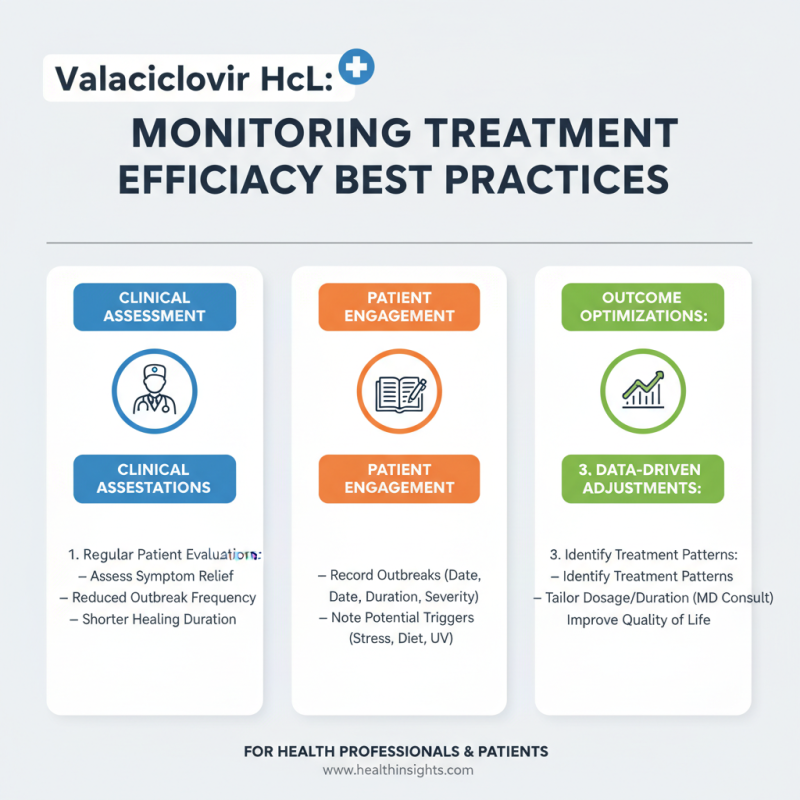
Monitoring the efficacy of Valaciclovir Hcl treatment is crucial for optimal outcomes. Health professionals should regularly assess the patient's response to the medication. This can involve checking for symptom relief, such as reduced outbreaks or shorter healing times. Encourage patients to keep a daily diary. Recording symptoms helps identify patterns and triggers over time.
Another important aspect is to evaluate potential side effects. Patients may experience gastrointestinal discomfort or headaches. Regular follow-ups allow healthcare providers to adjust dosages as needed. If side effects are significant, a reassessment of the treatment plan may be necessary.
Communication between the patient and healthcare provider is key. Patients should feel comfortable discussing their experiences and concerns. This relationship fosters trust and improves treatment adherence. Encourage open dialogue about progress and any troubling symptoms. Regular monitoring not only ensures effectiveness but also supports overall patient wellbeing.
0086-15628869272