How to Choose the Right Vitamin B Complex for Your Needs?

Choosing the right Vitamin B Complex can seem overwhelming. With so many options available, it’s easy to get confused. Each type of Vitamin B plays a unique role in your body. They support energy levels, enhance mood, and improve overall health.

When selecting a Vitamin B Complex, consider your specific needs. For instance, if you're often fatigued, you may benefit from B12 and B6. A busy lifestyle might demand more B1 and B5. However, finding the right combination can require some trial and error.

Be aware of potential side effects too. Some individuals react negatively to higher dosages. Listen to your body; adjustments might be necessary. Ultimately, the perfect Vitamin B Complex should align with your health goals and lifestyle. It’s a personal journey, and there’s no one-size-fits-all solution.

How to Choose the Right Vitamin B Complex for Your Needs?

Understanding the Importance of Vitamin B Complex in Your Diet

Vitamin B complex is vital for overall health. It includes several essential vitamins, like B1, B2, B3, B5, B6, B7, B9, and B12. Each of these plays a unique role in the body. For example, B12 is crucial for nerve function. B9, also known as folate, is important for DNA synthesis.

Incorporating B vitamins into your diet can boost energy levels and improve mood. Many people overlook the significance of a balanced intake. A diet low in these vitamins can lead to fatigue and mental fog. It’s not always easy to gauge how much you need. Some individuals may get adequate amounts from food, while others may require supplements.

Food sources are diverse. Dark leafy greens, eggs, nuts, and whole grains are excellent options. However, the diet of many people does not include enough of these foods. This gap highlights the need for awareness. Reflecting on your dietary habits is essential. Are you consuming a variety of foods that provide all the B vitamins? If not, it might be time to adjust your meal choices.
Identifying Your Individual Nutritional Needs for Vitamin B

How to Choose the Right Vitamin B Complex for Your Needs?

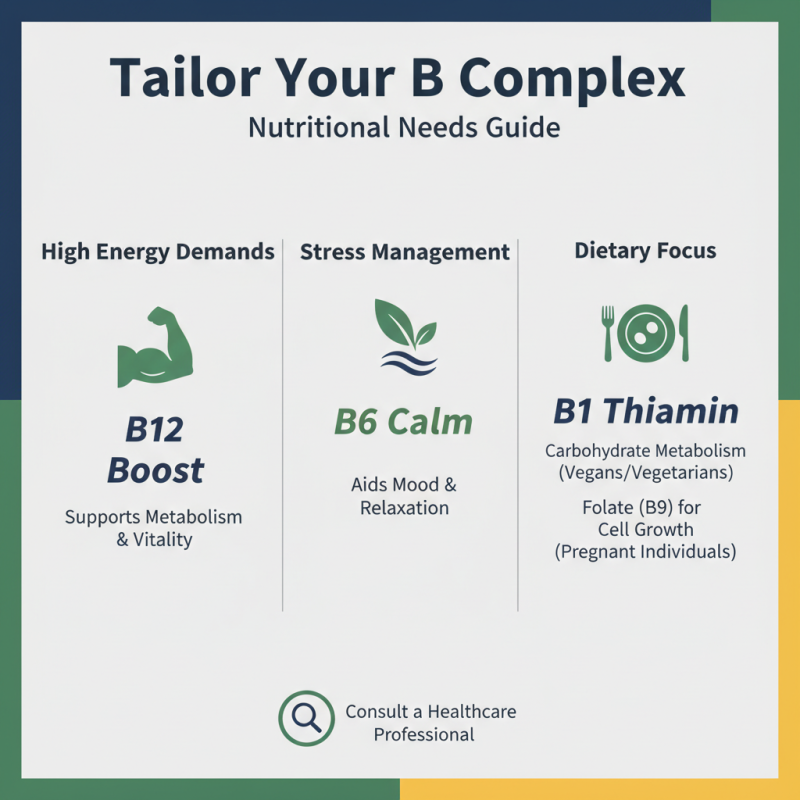
Selecting the right Vitamin B complex starts with understanding your unique nutritional needs. People have different lifestyles, diets, and health concerns. For instance, a person with high energy demands may need more B12, while someone managing stress might benefit from increased B6 intake.

It's essential to assess your diet thoroughly. Are you eating ample fruits, vegetables, and whole grains? If your diet lacks variety, a B complex can help. Consider symptoms like fatigue or stress. If they linger, it may indicate a deficiency. Reflect on these signs to guide your choices.

Testing is also an option. Blood tests can reveal specific deficiencies. They can point to which vitamins you need. However, visiting a healthcare professional before making changes is wise. This could help clarify your situation. Ultimately, the goal is to tailor your approach to your individual needs. No one-size-fits-all solution exists here. Embrace the journey of understanding your body's requirements.

Evaluating Different Types of Vitamin B Complex Supplements

How to Choose the Right Vitamin B Complex for Your Needs?

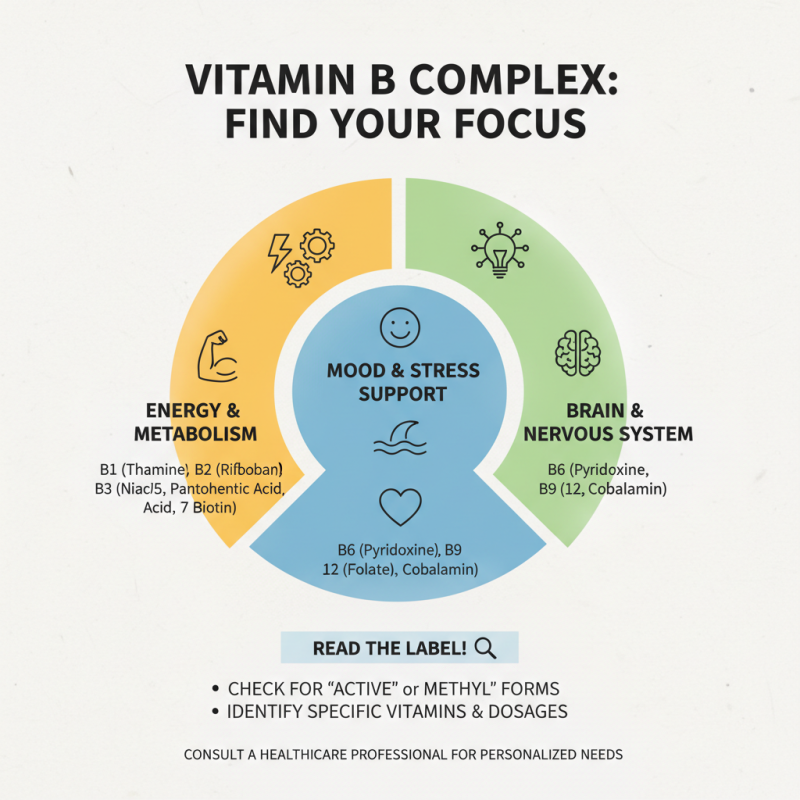
When evaluating different types of Vitamin B complex supplements, it’s important to consider your specific needs. For instance, not all B vitamins provide the same benefits. Some focus on energy levels, while others support mood or brain health. Reading labels carefully can help you identify essential ingredients.

Tips: Look for B1, B2, B3, B6, and B12. Each plays a unique role. If you’re low on energy, a formula high in these vitamins might be helpful.

Also, think about the source of the vitamins. Synthetic vs. natural can make a difference. Some people may feel better with whole food-based supplements. However, these can be more expensive.

Tips: Start with a low dose if you’re unsure about your tolerance. You may notice side effects. If you feel discomfort, re-evaluate your choice.

Lastly, don’t forget about your diet. Supplements should complement a balanced diet. If your food intake lacks variety, that might lead to deficiencies. Reflect on what you consume daily. This awareness can guide your supplement selection effectively.

Reading Labels: What to Look for in a Quality Vitamin B Complex

When selecting a quality Vitamin B complex, it's crucial to read labels carefully. The ingredients list should be the first thing to check. Look for a blend that includes B1 (thiamine), B2 (riboflavin), B3 (niacin), B5 (pantothenic acid), B6 (pyridoxine), B7 (biotin), B9 (folate), and B12 (cobalamin). A well-balanced formula often provides these essential vitamins in appropriate proportions. Recent reports indicate that nearly 60% of adults may lack adequate B vitamin intake, emphasizing the need for a good supplement.

Be mindful ofthe forms of the vitamins present. For instance, methylcobalamin is a more bioavailable form of B12 than cyanocobalamin. A study from the National Institutes of Health shows that absorption rates can vary widely based on the form. Moreover, watch for any added fillers or artificial colors. These components can dilute the efficacy of the vitamins. Some products may contain unnecessary ingredients that do not contribute to nutritional value.

Lastly, consider the sourcing of the vitamins. Transparency about where the ingredients are derived is essential. Organic and non-GMO certifications can be indicators of higher quality. You should question any product that does not provide clear information on sourcing. This clarity is often a marker of trustworthiness in an industry laden with choices.

How to Choose the Right Vitamin B Complex for Your Needs?

Vitamin Type Recommended Daily Allowance (RDA) Sources Benefits Deficiency Symptoms
B1 (Thiamine) 1.1 mg Whole grains, pork, fish Energy metabolism, nerve function Fatigue, irritability, nerve damage
B2 (Riboflavin) 1.1 mg Meat, eggs, dairy products Energy production, skin health Sore throat, redness, cracked lips
B3 (Niacin) 14 mg Turkey, chicken, peanuts Digestive health, skin health Fatigue, poor circulation, mental symptoms
B5 (Pantothenic Acid) 5 mg Meat, avocados, broccoli Hormone production, metabolism Fatigue, irritability, digestive issues
B6 (Pyridoxine) 1.3 mg Fish, beef liver, potatoes Brain health, hormone regulation Depression, confusion, weakened immune system
B7 (Biotin) 30 mcg Eggs, almonds, spinach Hair, skin, and nail health Hair loss, skin rash, fatigue
B9 (Folate) 400 mcg Leafy greens, legumes, seeds Cell division, DNA synthesis Anemia, fatigue, neural tube defects
B12 (Cobalamin) 2.4 mcg Meat, fish, dairy Nerve health, red blood cell formation Anemia, balance issues, neurological changes

Consulting Health Professionals: When to Seek Expert Advice on B Vitamins

When considering B vitamins, it's essential to consult health professionals. Many people self-diagnose or rely on general advice, which can lead to incorrect supplementation. A 2022 survey indicated that 40% of adults take vitamins without medical guidance. This can pose risks, especially when dealing with specific health conditions. A healthcare provider can assess your unique needs more accurately.

Some individuals may experience adverse effects from excess intake. For example, high doses of B6 can lead to nerve damage, while excess B3 may cause skin flushing. According to the NIH, proper dosages are crucial. They recommend consulting a physician before starting any new vitamin regimen. This is particularly important for those with existing health issues or who are pregnant.

It's easy to overlook the necessity for professional input. Many believe all vitamins are safe in any amount. However, B vitamins interact with various medications and conditions. A 2023 report highlighted that 30% of users did not discuss their vitamin use with their doctors. Taking the right approach ensures you meet your individual health needs effectively.