Top Benefits of Soybean Oil for Global Buyers?
In recent years, soybean oil has gained significant traction among global buyers. Known for its versatility and health benefits, this oil is a staple in many kitchens. According to Dr. Amy Fletcher, a leading expert in agricultural oils, "Soybean oil is becoming the go-to choice for health-conscious consumers and food manufacturers alike."
The growing demand for soybean oil reflects its essential role in both culinary and industrial applications. Its high smoke point makes it ideal for frying, while its neutral flavor allows it to blend seamlessly in various dishes. However, users should remain cautious about sourcing. Not all soybean oil is created equal; quality can vary widely among suppliers.
Buyers need to consider sustainability and production practices when selecting soybean oil. It’s crucial to understand how different processing methods impact health benefits. Exploring these topics allows buyers to make informed choices. In the complex landscape of soybean oil, awareness and knowledge pave the way for better decision-making.
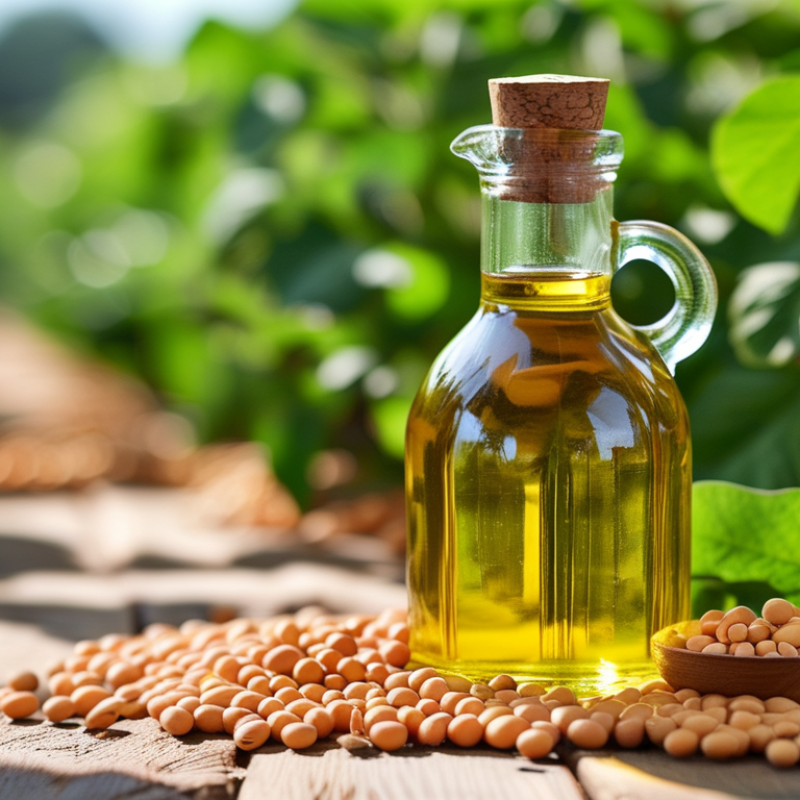
Nutritional Advantages of Soybean Oil for Health-Conscious Consumers
Soybean oil has gained recognition for its impressive nutritional profile. Rich in polyunsaturated fats, it supports heart health. These healthy fats can lower bad cholesterol levels. This is crucial for those mindful of their cardiovascular well-being. It contains omega-3 fatty acids, known for their anti-inflammatory properties. These nutrients contribute positively to overall health.
In addition to fats, soybean oil is a good source of vitamin E. This antioxidant plays a role in protecting cells from damage. Many health-conscious consumers appreciate this benefit. However, it's essential to consider balance. Excessive intake of any oil can lead to weight gain. Moderation is key for reaping the health benefits without adverse effects.
Soybean oil is versatile in cooking. It has a high smoke point, making it suitable for frying and sautéing. Some might overlook its impact on flavor. It's often neutral, allowing the taste of other ingredients to shine. Exploring cooking with soybean oil offers a chance to incorporate healthy fats into meals. But, it's wise to reflect on sourcing. Gaining insight into farming practices can improve choices for the environment and health.
Sustainability and Environmental Impact of Soybean Oil Production
Soybean oil production has gained attention for its sustainability and environmental impact. According to the Food and Agriculture Organization, soybean is one of the most cultivated oilseed crops globally. In 2020, the global production reached approximately 365 million metric tons. This high volume often raises questions about sustainability practices in cultivation and processing.
Evaluating the environmental footprint is complex. Soybean farming can contribute to deforestation, especially in critical regions like the Amazon. With about 50% of Brazilian soybeans coming from the Amazon basin, the link is evident. Sustainable practices, such as crop rotation and reduced pesticide use, can mitigate these effects. Some studies indicate that adopting sustainable practices can reduce greenhouse gas emissions by up to 30%.
Furthermore, soybean oil has a lower carbon footprint compared to other oils. When produced sustainably, it can support biodiversity. For instance, creating buffer zones around fields can enhance habitat conservation. This approach benefits both agriculture and wildlife. However, there is a continuous need to monitor cultivation methods. The challenge is to balance the demand for soybean oil with responsible environmental stewardship.
Economic Aspects: Cost-Effectiveness of Soybean Oil for Buyers
Soybean oil is a popular choice for global buyers seeking cost-effective solutions. It offers various nutritional benefits and is versatile in culinary applications. One of its key economic advantages is the relatively low production cost compared to other vegetable oils. This makes it an appealing option for both manufacturers and consumers.
The yield from soybean crops is substantial. This efficiency translates to lower prices for buyers. However, fluctuations in market prices can impact overall cost-effectiveness. Buyers must navigate these variations carefully to maintain profitability. Additionally, considering the transportation and storage costs is essential in determining the final price of soybean oil.
Not all soybean oil is created equal. Quality can vary based on the cultivation methods. Sustainability practices may increase costs but can enhance quality and appeal to environmentally-conscious consumers. Buyers should reflect on their sourcing choices. Selecting the right suppliers can create long-term benefits. Understanding these dynamics will help global buyers make informed decisions.
Top Benefits of Soybean Oil for Global Buyers
| Benefit |
Details |
Cost-Effectiveness |
Global Demand |
| Rich Source of Fatty Acids |
Soybean oil contains essential fatty acids that are beneficial for health. |
Competitive pricing compared to other oils. |
Increasing demand in emerging markets. |
| Versatility in Usage |
Used in cooking, food processing, and industrial applications. |
Cost-effective for large-scale food production. |
Widely accepted across different cuisines. |
| Health Benefits |
Low in saturated fats and high in polyunsaturated fats. |
Lower health costs associated with heart disease. |
Increasing health-conscious consumers. |
| Sustainability |
Grown with sustainable practices that benefit the environment. |
Potential savings due to reduced environmental impact fees. |
Global shift towards more sustainable products. |
| Economic Growth |
Supports local farmers and agricultural economies. |
Investment opportunities in emerging markets. |
Positive return on investment amidst rising demand. |
Versatility of Soybean Oil in Culinary Applications and Beyond
Soybean oil stands out for its versatility in various culinary applications. This oil has a high smoke point, making it suitable for frying and sautéing. Chefs appreciate its neutral flavor, which allows the natural taste of ingredients to shine. From salads to stir-fries, soybean oil can enhance dishes without overpowering them.
Additionally, it is useful in baking. Substituting soybean oil for butter or other oils can yield lighter textures in baked goods. For many, this is a game-changer in achieving healthier recipes. Despite its benefits, some may question the nutritional value and opt for alternatives. Exploring these doubts is essential for informed choices.
In the world of food preparation, soybean oil has applications beyond traditional cooking. It is commonly found in dressings, marinades, and processed foods. This wide range may lead some to overlook its origins and production methods. Transparency in sourcing is critical, as it affects quality. Understanding where soybean oil comes from can influence its perceived value.
Global Market Trends and Demand for Soybean Oil in Different Regions
The global demand for soybean oil is steadily rising. Many regions are adapting to this trend. For instance, Asia-Pacific countries are becoming significant consumers. Their culinary practices often require high-quality oils. This surge creates new opportunities for trade and export.
In North America, soybean oil is valued for its versatility. Industries utilize it for cooking, processing, and even biofuel production. However, there are challenges. Farmers face fluctuating prices and changing climate conditions. These factors can affect supply stability and quality.
South America is also a key player. Brazil and Argentina produce a large portion of the world's soybean oil. They prioritize sustainable farming methods. Yet, over-reliance on monoculture can strain local ecosystems. Buyers must stay informed about these dynamics. Understanding regional practices can lead to smarter purchasing decisions.
Top Benefits of Soybean Oil for Global Buyers