What are the Benefits and Uses of Levulinic Acid?
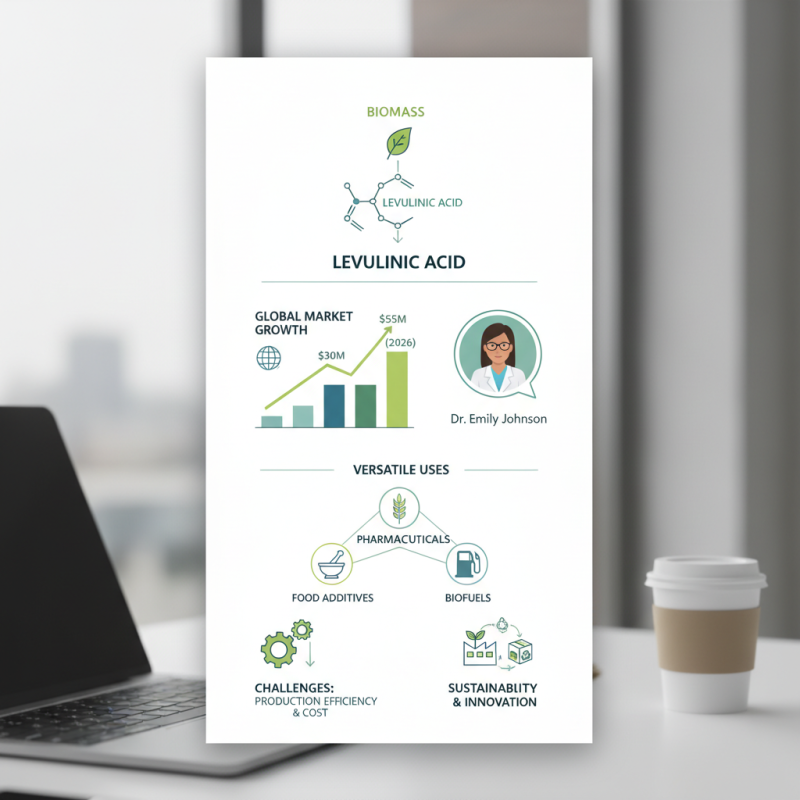
Levulinic Acid is garnering attention in various industries. This compound is derived from biomass, making it a sustainable option. According to a report by MarketsandMarkets, the global levulinic acid market is expected to reach $55 million by 2026, highlighting its growing importance.
Dr. Emily Johnson, an expert in renewable chemicals, stated, "Levulinic Acid will play a crucial role in the shift towards sustainable materials." Its uses span from food additives to pharmaceuticals and biofuels. This versatility makes Levulinic Acid an exciting topic for research and application. However, challenges remain. Production efficiency and cost-effectiveness need improvement for broader adoption.
Incorporating Levulinic Acid into products can enhance their performance and sustainability. Manufacturing methods must focus on minimizing waste and optimizing yield. As industries explore greener alternatives, Levulinic Acid stands out. With its potential benefits, it deserves further exploration to maximize its impact.
Benefits of Levulinic Acid in Biochemical Applications
Levulinic acid is gaining attention in various biochemical applications due to its versatile properties. It is a platform chemical derived from biomass, making it an attractive alternative to petroleum-based products. Its role as a building block for biofuels is significant. As a renewable resource, it aligns well with sustainability goals.
In the realm of pharmaceuticals, levulinic acid shows promise. It serves as a precursor for producing various fine chemicals. This includes agrochemicals and pharmaceutical compounds. Researchers are exploring its potential to enhance drug formulations. However, challenges remain. The synthesis process can be complex and costly. Optimizing methods for better yield is essential.
Moreover, levulinic acid also finds utility in food preservation. It acts as a natural preservative due to its antimicrobial properties. Its use in formulations could improve food safety without harsh chemicals. Yet, consumer acceptance is still a concern. Balancing efficacy and safety is crucial in these applications. The future of levulinic acid appears bright, but ongoing research is needed to address existing limitations.
What are the Benefits and Uses of Levulinic Acid? - Benefits of Levulinic Acid in Biochemical Applications
| Application |
Benefit |
Description |
| Biofuels |
Sustainable Energy Source |
Levulinic acid can be converted into biofuels, providing a renewable energy alternative. |
| Food Additive |
Flavor Enhancer |
Used as a flavoring agent due to its sweet taste. |
| Pharmaceuticals |
Drug Formulation |
Acts as a building block for the synthesis of various pharmaceuticals. |
| Agriculture |
Fertilizer Component |
Used to produce biodegradable fertilizers that improve soil health. |
| Plastic Industry |
Biodegradable Plastics |
Serves as a precursor for the development of eco-friendly plastic alternatives. |
Industrial Uses of Levulinic Acid in Green Chemistry
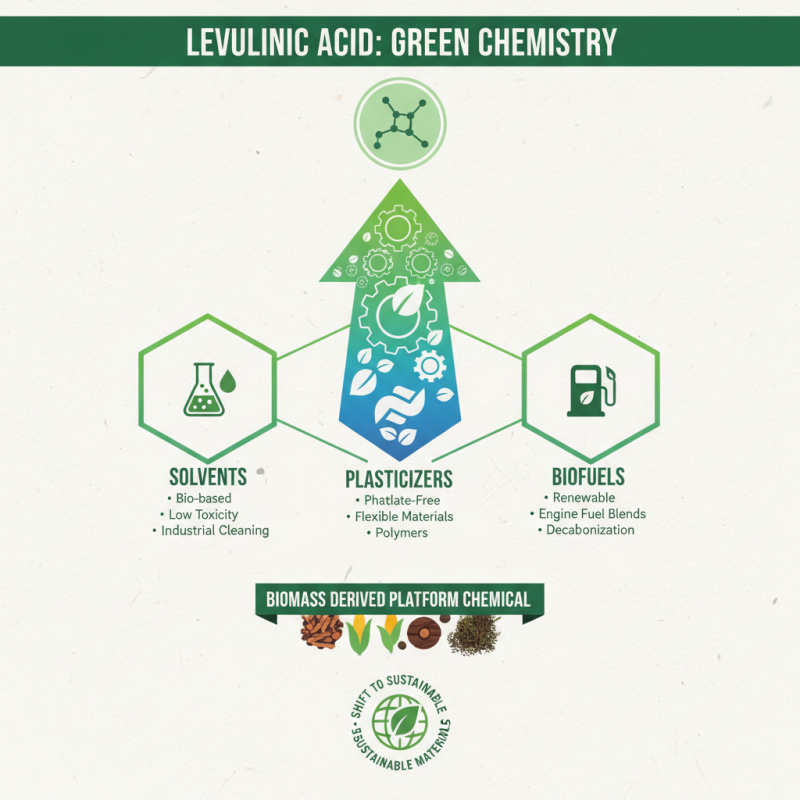
Levulinic acid is gaining attention in the field of green chemistry. Its versatility allows for various industrial applications, making it a valuable resource. This organic compound, derived from biomass, serves as a platform chemical. It can be transformed into solvents, plasticizers, and even biofuels. The shift towards sustainable materials is driving its popularity.
One noteworthy use of levulinic acid is in the production of biodegradable plastics. These alternatives can replace traditional petroleum-based plastics. The manufacturing process is often more environmentally friendly. It reduces carbon emissions and fossil fuel reliance. Companies are exploring levulinic acid to create sustainable packaging solutions.
Despite its benefits, there are challenges in scaling up production. The cost of extraction from biomass can be high. Additional research is needed to improve yield and efficiency. Some processes may still create waste products that require management. The journey towards fully sustainable applications involves continuous refinement. Adopting levulinic acid in the industry shows promise but requires thoughtful consideration.
Role of Levulinic Acid in Biofuel Production
Levulinic acid is emerging as a key player in biofuel production. As a renewable platform chemical, it derives from biomass, particularly from agricultural residues. The U.S. Department of Energy identifies levulinic acid as a critical component for biofuel advancement. This compound helps convert lignocellulosic biomass into viable fuels, potentially replacing fossil fuels.
One notable benefit of levulinic acid is its ability to act as a versatile building block. It can be transformed into fuels and chemicals like butanol or ethyl levulinate. A report from the National Renewable Energy Laboratory suggests that integrating levulinic acid into fuel production can reduce greenhouse gas emissions significantly. It helps meet sustainability targets while addressing the global energy crisis.
Tips: Incorporate levulinic acid into your projects where feasible. Stay informed about ongoing research—it’s evolving rapidly. Consider how this component can enhance your biofuel strategies. Though levulinic acid offers great potential, challenges remain in large-scale production and cost-effectiveness. Continuous innovation is vital for unlocking its full capabilities in the biofuel sector.
Health and Safety Considerations for Levulinic Acid Usage
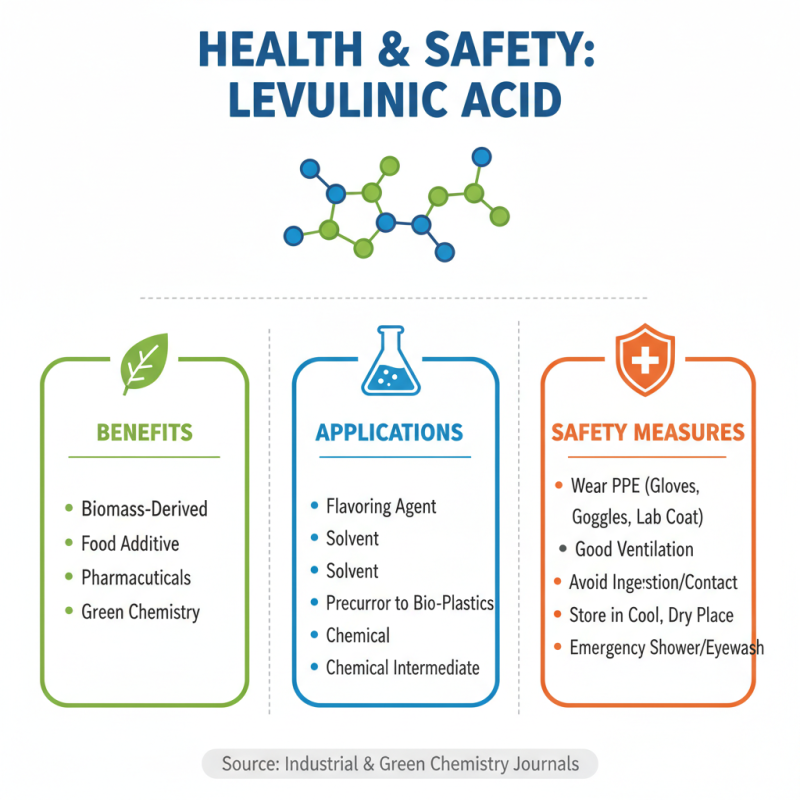
Levulinic acid is gaining attention for its potential applications in various industries. While its benefits are clear, health and safety considerations must also be addressed. This compound, derived from biomass, is often used in food, pharmaceuticals, and green chemistry. However, safety during its usage is paramount.
When handling levulinic acid, wear protective gear. Gloves and goggles can reduce the risk of skin contact and eye irritation. Always work in a well-ventilated area to minimize inhalation risks. Storage is equally important. Keep it in a cool, dry place away from incompatible materials. This ensures its stability and efficacy.
Before using levulinic acid, consider its potential effects. Some individuals may experience allergic reactions. A patch test on skin can help identify sensitivities. Consulting safety data sheets (SDS) provides crucial information about its handling and disposal. This step is vital for safe usage and environmental protection. It is essential to be well-informed about the risks and benefits associated with levulinic acid.
Future Perspectives for Levulinic Acid in Sustainable Development
Levulinic acid is gaining attention in sustainable development due to its versatile applications. It is derived from biomass, which makes it a renewable resource. This compound can be transformed into various valuable chemicals and fuels. Many see it as a potential substitute for fossil fuels. The agricultural industry benefits from its use as a bio-based herbicide. Its biodegradable nature adds to its appeal in eco-friendly practices.
Future research is focusing on the optimization of production methods. This includes enhancing yields through fermentation processes. However, challenges remain in scaling these processes to meet industrial demands. Innovations in bioprocessing could help overcome these obstacles. Public perception of using biomass in industry can also influence future adoption. The balance between sustainability and economic viability is crucial.
Emerging technologies may enhance the efficiency of levulinic acid applications. This could foster growth in sectors like pharmaceuticals and food industries. As awareness of environmental issues rises, levulinic acid's role is likely to expand. Continuous exploration of its potential will be essential for future sustainability efforts. While the path to widespread use is filled with challenges, the potential rewards make it a worthy pursuit.